A new frontier where science restores nature.  Nano-bubbles. Smart Catalysts. Real Impact.  Powered by Modern Industry’s Life – Middle East.
Welcome to Modern industry's Life

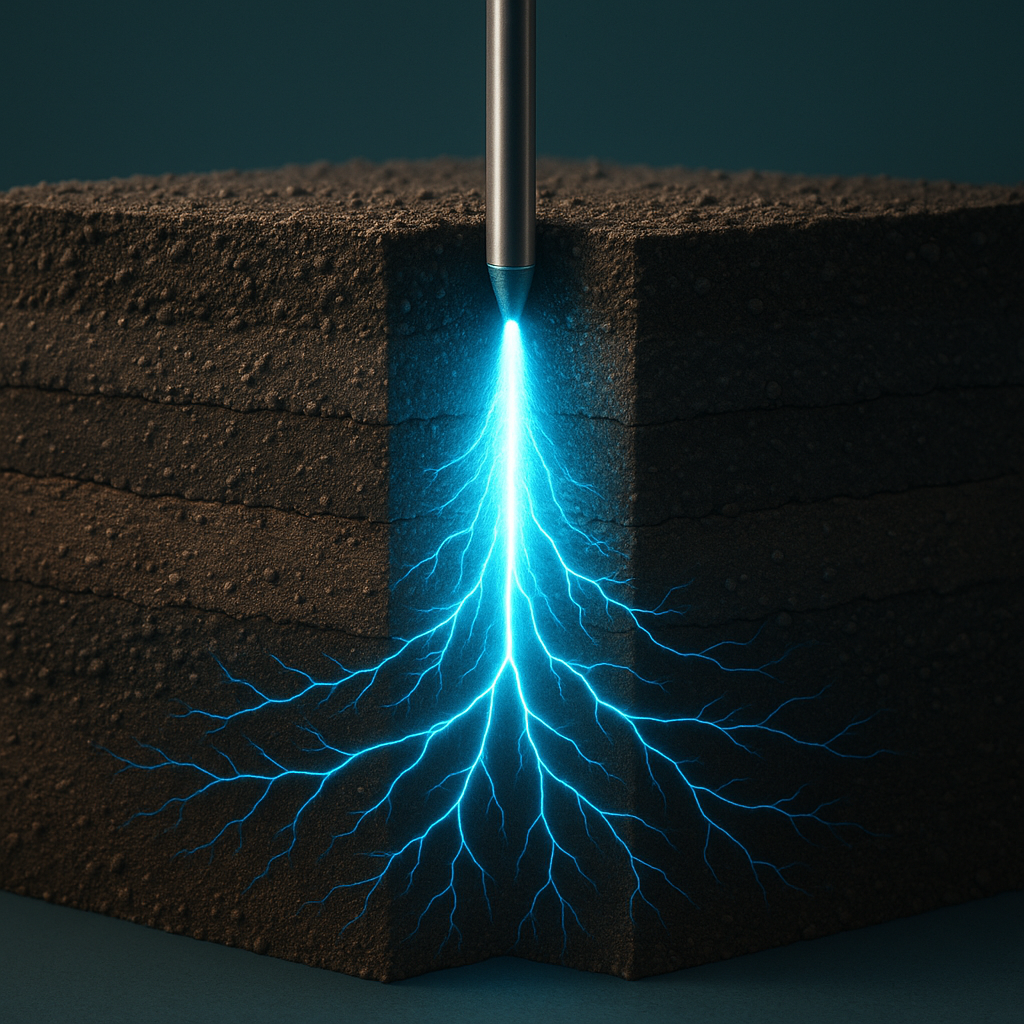
We are a research-driven environmental engineering company pioneering a patented tri-phasic nano-catalytic remediation system that unites gaseous nanobubbles, fluid-phase transport media, and solid-phase nanocatalysts in one adaptive operational matrix.Our platform intelligently adapts to soil porosity, pH, moisture, temperature, and contaminant complexity—delivering precise oxidative and reductive treatments with minimal ecological disruption. This technology achieves superior mass transfer, accelerates pollutant breakdown, and works effectively in conditions where conventional methods fail.
From low-permeability clays to high-porosity sands, we provide scalable, field-proven solutions for the most challenging petroleum-contaminated environments—bridging nanoscale science with sustainable land restoration.

Talk to an Engineer
Discover our Technology

How It Works: Synergistic Redox in Soil

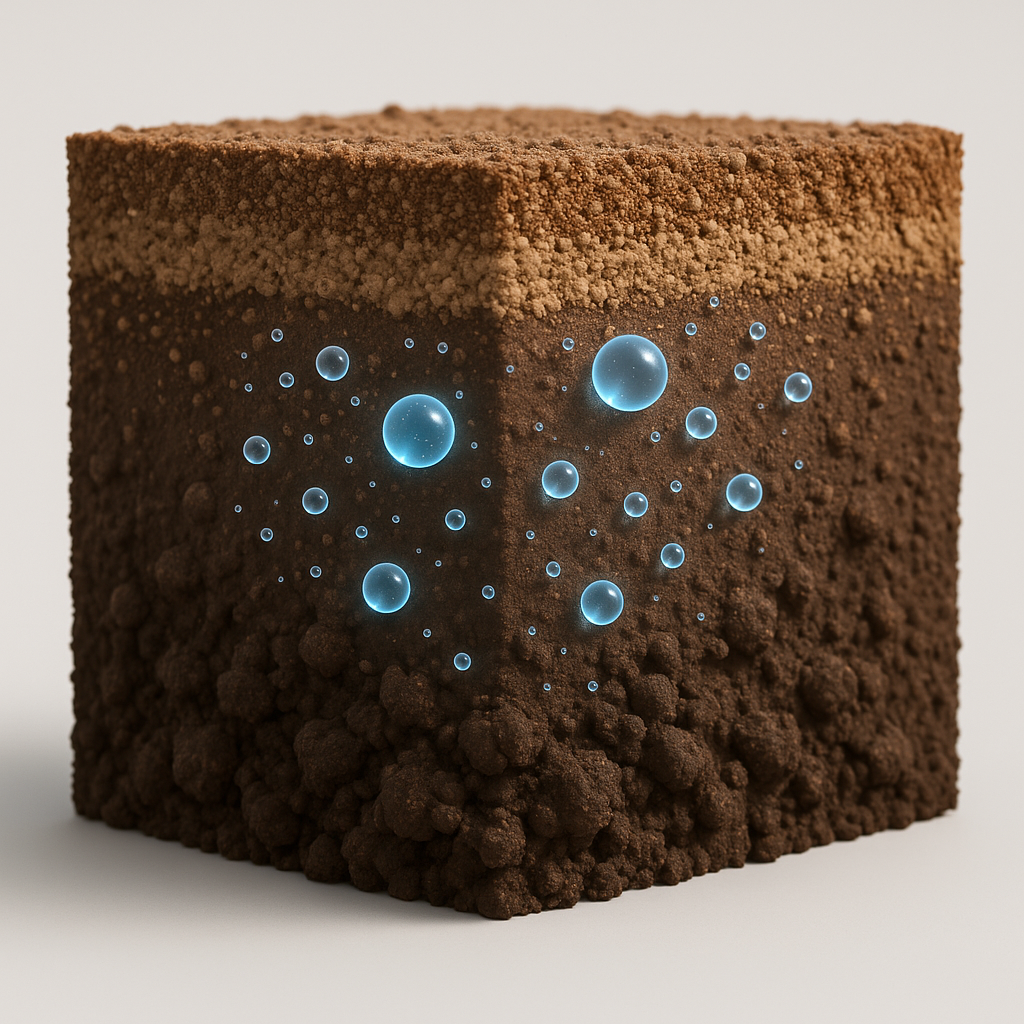
Our tri-phasic remediation platform integrates Gas, Liquid, and Solid phases into a unified system that accelerates pollutant breakdown deep within the soil.

Explore Full Technology
01
Gas Phase
(Nanobubbles)

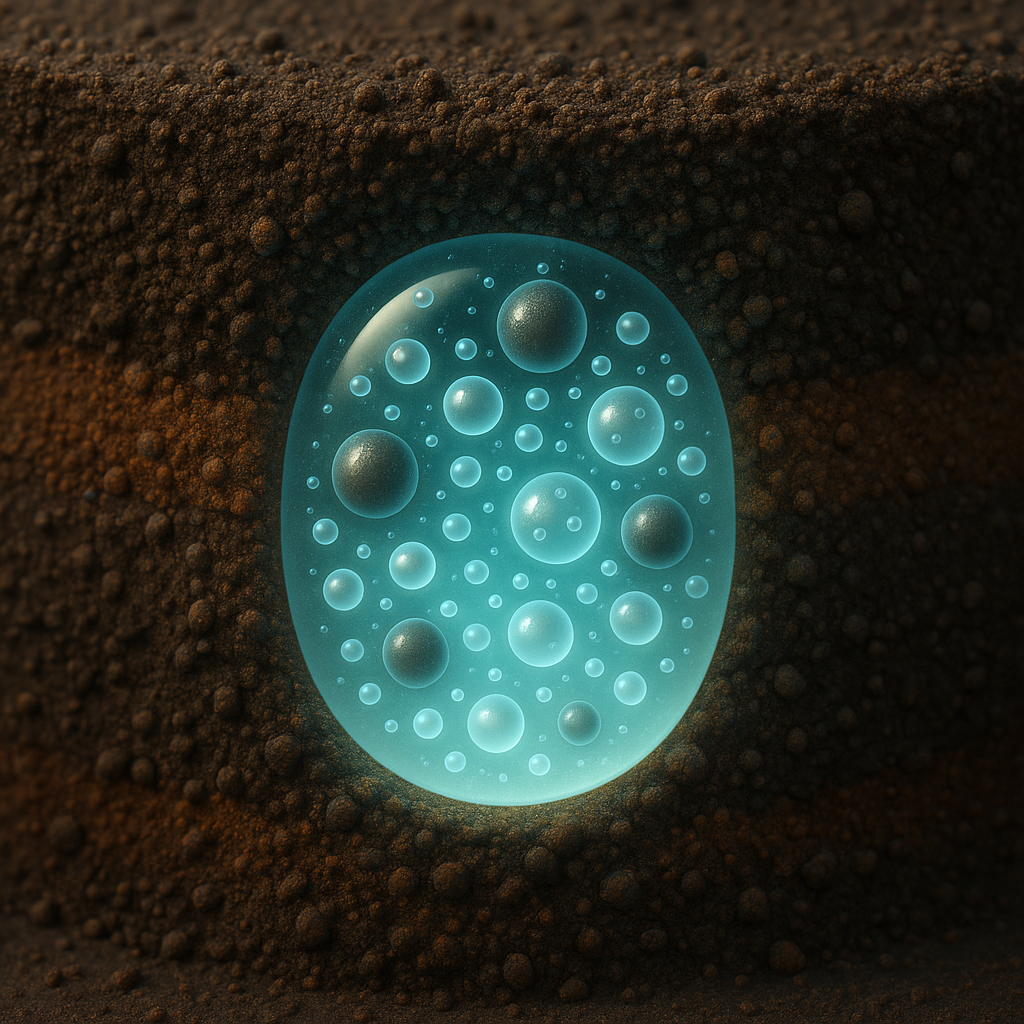
Microscopic oxygen-rich bubbles act as chemical micro-reactors, increasing surface contact and initiating oxidation.

02
Liquid Phase
(Directed Flow)

Specialized transport media deliver catalysts and reactive agents directly into subsurface layers, enabling precise mass transfer.

03
Solid Phase (Nanocatalysts)

Engineered nanoparticles drive catalytic reactions, enhanced by UV light, magnetic fields, and electrical currents to achieve complete molecular disintegration of contaminants.

Cutting-edge Environmental Solutions

From Lab to Field: A New Remediation Paradigm

70% Shorter Remediation Time


Accelerates pollutant breakdown through simultaneous gas–liquid–solid reactions, reducing total cleanup time by up to 70% compared to conventional methods.

Operates In Situ


Performs effectively in real-world environments without excavation, minimizing ecological disruption and reducing operational costs.

Breaks Down Resistant Contaminants

Destroys persistent pollutants including phenol, hydrogen sulfide (H₂S), and complex aromatic hydrocarbons—achieving complete molecular disintegration.

Gaya Signature

Micro‑actuation and transport behavior of the nano‑reactive matrix under controlled displacement. Results indicate stable motion, measurable force response, and density modulation consistent with catalytic oxygenation.

Experiment Clip

Recorded actuation showing nano‑matrix response during displacement.

Download Brief Full Method

Key Outcomes

The test demonstrates controlled translation and low‑force interaction in a 1 cm radius field, alongside a notable density drop that supports enhanced mass‑transfer during tri‑phasic activation.

  • Displacement 7 mm
  • Avg. Force ≈ 1×10⁻⁶ N
  • Radius ≈ 1 cm
  • Density Reduction ≈ 20%
  • Mean Velocity ≈ 6.5×10⁻⁵ cm/s

Interpretation

Low force with measurable displacement implies minimal energy barrier for nano‑bubble front propagation. Density decrease (~20%) aligns with oxygenation and void formation, improving interfacial reactivity and diffusivity inside the matrix.

Restoring life to the soil is restoring life to the Earth

Join us in innovation and Earth restoration

Stay up to date

Modular & Phased Approach

Step-by-Step Soil Regeneration

Phase I – Oxygen Nanobubble Activation

Stable oxygen-rich nanobubbles are introduced into surface soil moisture layers, boosting oxygen availability in the rhizosphere and stimulating natural microbial activity.
Phase II – Catalytic Deep Penetration

A colloidal dispersion of reactive gases and engineered catalysts is injected into subsoil horizons to accelerate the breakdown of heavy and complex hydrocarbons.

Phase III – Energy-Enhanced Breakdown

Advanced energy inputs—UV light, magnetic fields, pulsed electric fields—work in synergy with catalysts to achieve complete molecular disintegration of persistent contaminants.


Read Full Modular Strategy
Download Modular Brochure (PDF)
`

Oilfields & Deserts

Industrial Complexes

Mining Sites

Coastal & Marine Zones

Emergency Spills

Agricultural Land Restoration

Urban Waterways

Wetland Methane Control

This is some text inside of a div block.

One System, Three Forms

Our tri-phasic remediation technology is engineered for unmatched versatility, adapting to diverse contamination profiles and environments. Each deployment mode leverages the same core science but is optimized for different operational needs — from fast-acting emergency responses to sustained in-situ soil regeneration.

Nano-Mist (Air Treatment)

An ultra-fine aerosol of reactive nanobubbles designed for airborne or surface-level contamination control. Ideal for neutralizing volatile organic compounds (VOCs) and odor emissions in industrial zones, ports, and spill sites without physical excavation.
Injectable Fluid

Injectable Fluid (Soil Injection)

A catalytically active liquid phase that penetrates subsurface layers, delivering oxidative or reductive agents directly to the contamination zone. Perfect for targeting petroleum hydrocarbons and semi-volatile pollutants in low-permeability soils.

Nanogel (Long-Term Control)

A slow-release, semi-solid formulation that embeds nanocatalysts and oxygen carriers into the soil structure. Provides sustained pollutant breakdown and microbial support over weeks to months, making it ideal for long-term land rehabilitation projects.

Proven Science. Real-World Impact

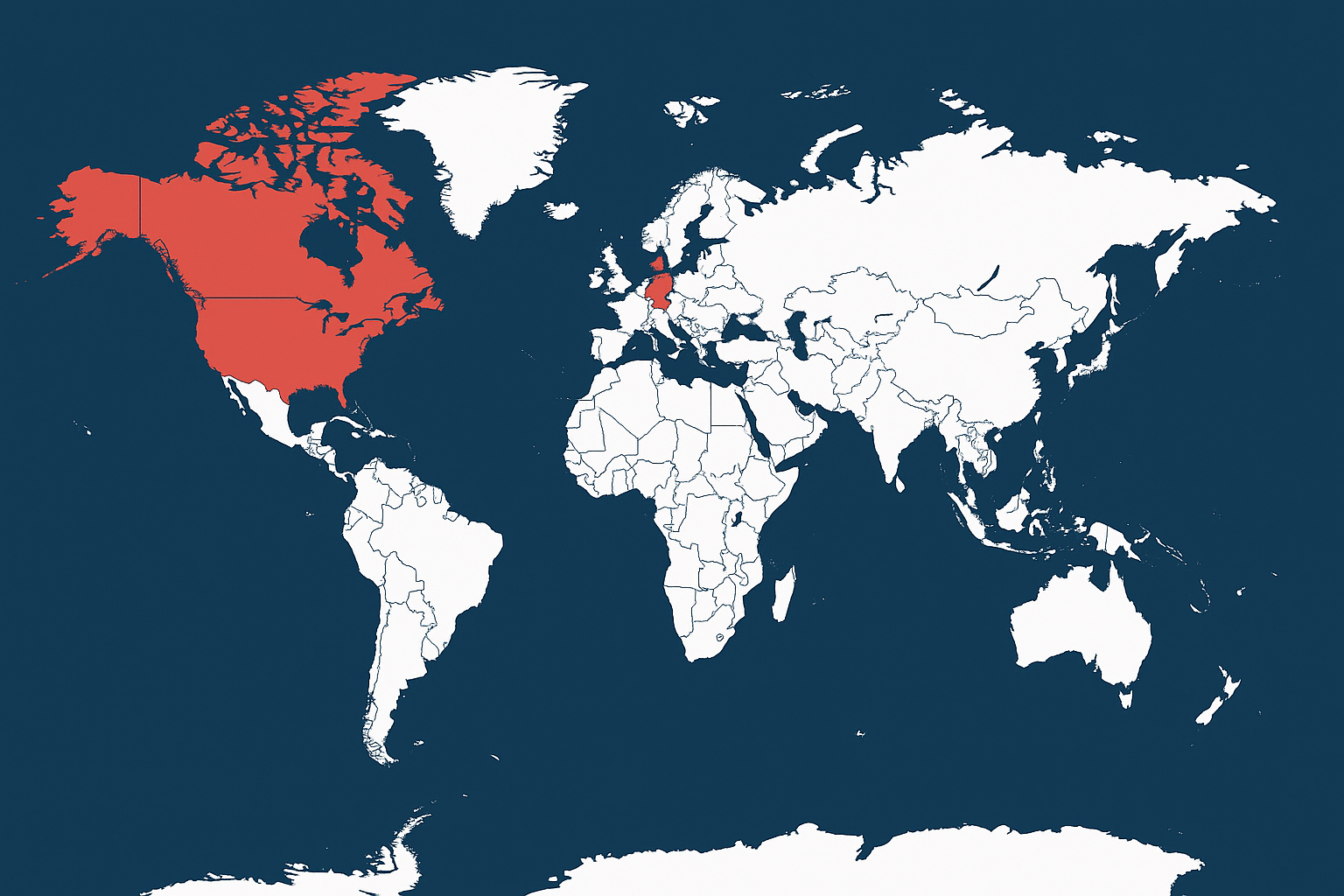
From nano-scale innovation to large-scale environmental restoration — we deliver transformative solutions backed by global field results.

Sector-Specific Remediation Strategies

Upstream Oil & Gas

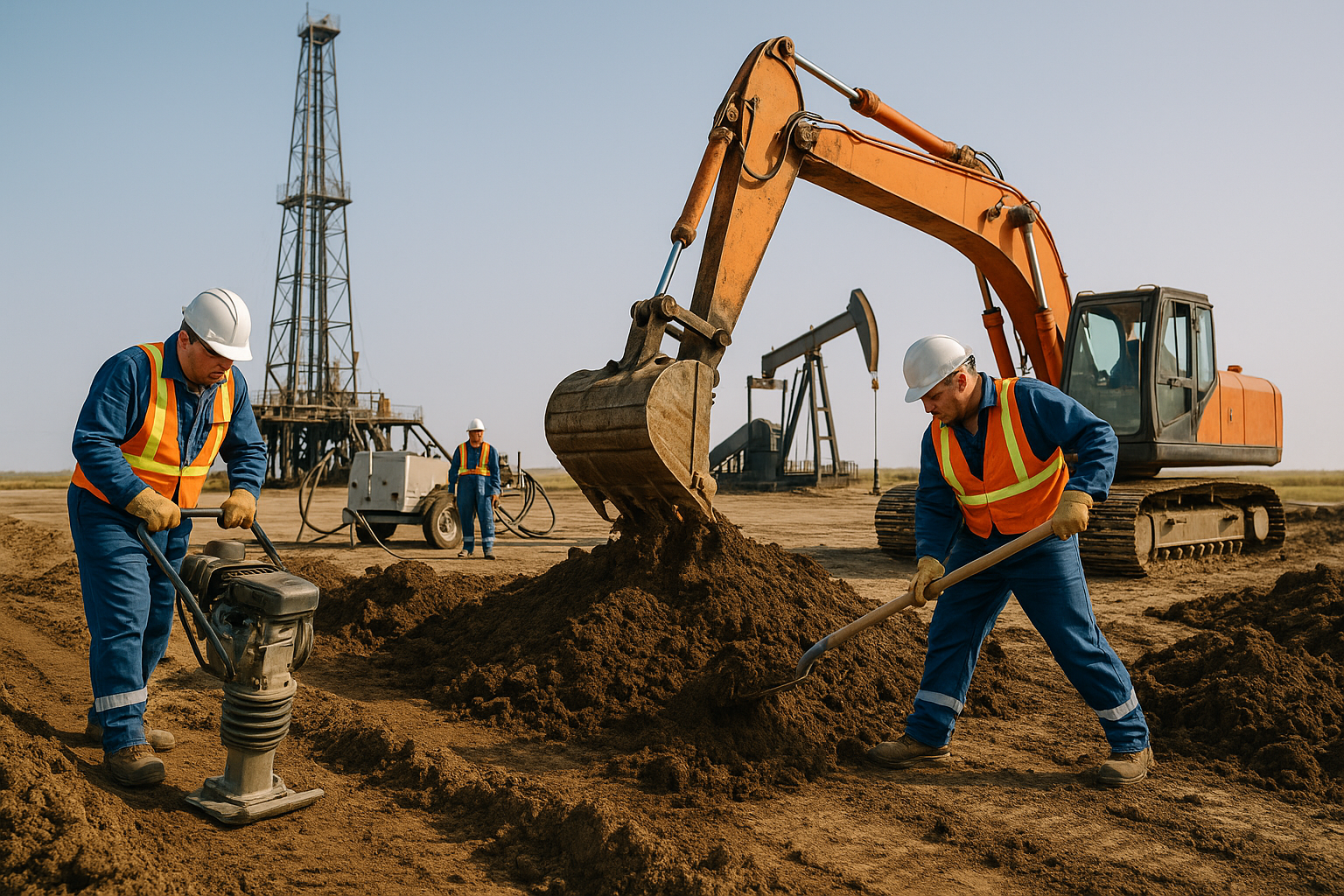
Our nanobubble–catalyst platform restores drilling sites and production fields by breaking down petroleum hydrocarbons in situ. Designed for high salinity, low permeability soils, and variable pH, it accelerates biodegradation while reducing downtime and operational costs.

Pipelines & Storage

Targets leaks and contamination around pipeline corridors and tank farms. Injects reactive nanofluids into affected soils to neutralize hydrocarbons and H₂S, preventing further migration and reducing environmental liability.

Petrochemical & Mining

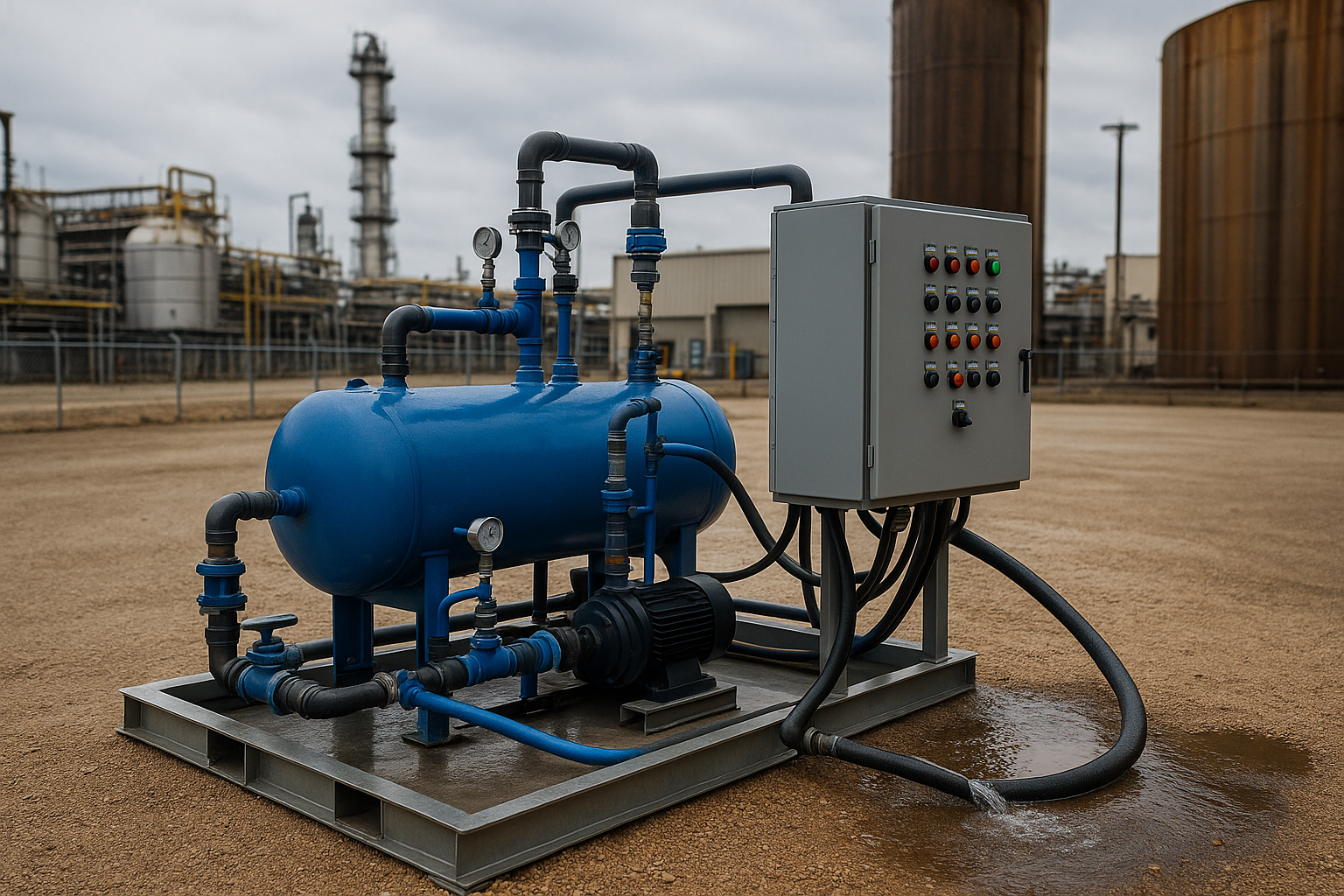
Degrades complex aromatic hydrocarbons, phenols, and sulfides directly in soil and wastewater streams. Adaptable to acidic tailings, alkaline effluents, and high-load industrial slurries without halting production.

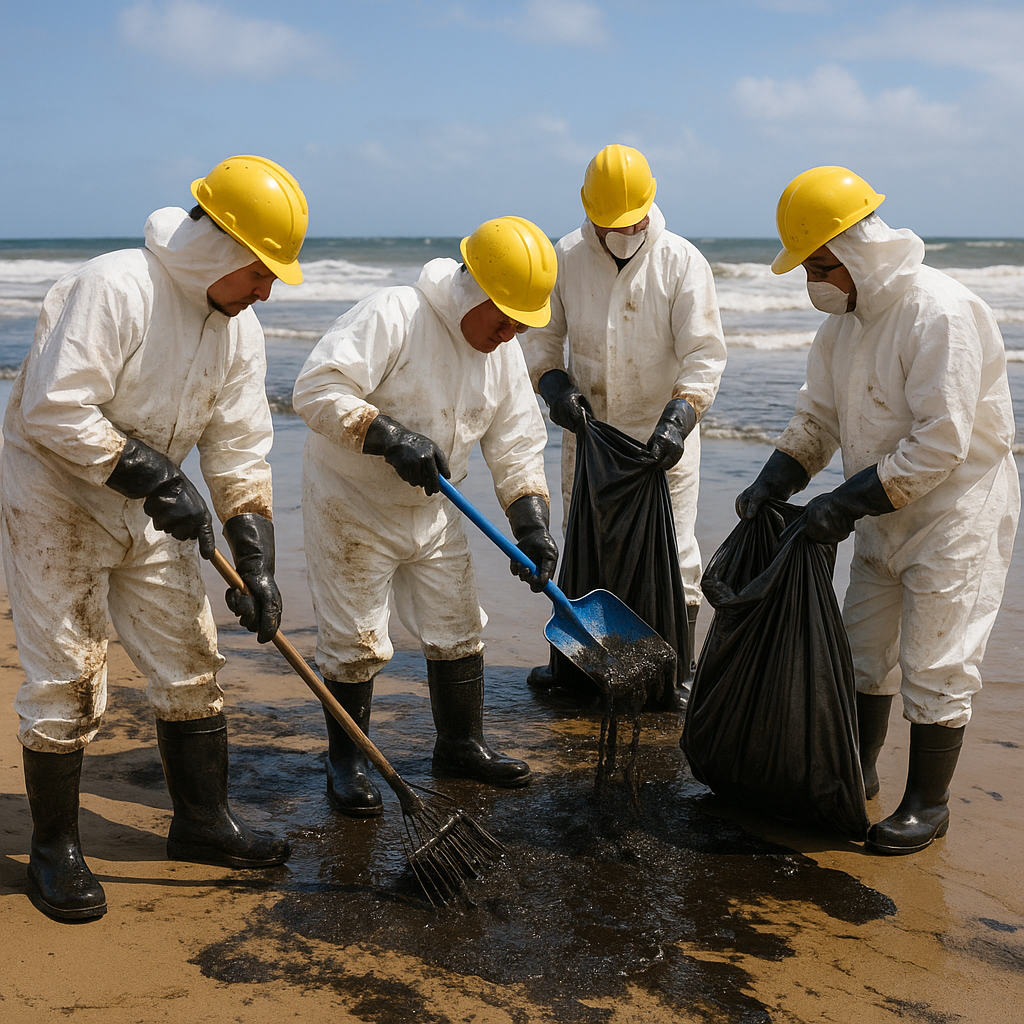
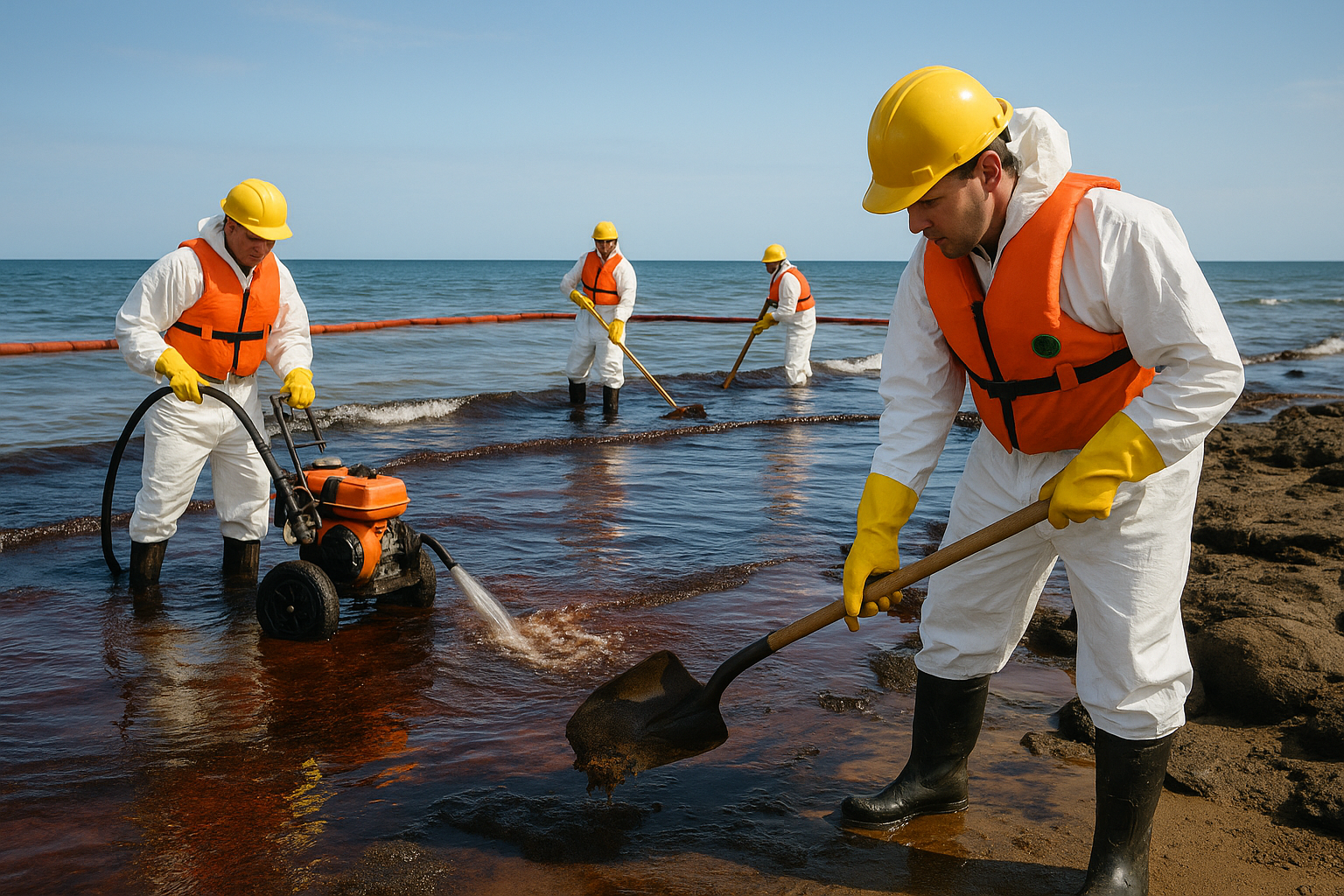
Rapid deployment kits for spills, leaks, and chemical releases. Delivers high-oxidation nanobubbles and catalysts to contain and neutralize pollutants in minutes, minimizing ecological and safety risks.

Emergency Zones (HSE)

FAQs – Modern Industry’s Life 🌍

What industries can benefit from your technology?
How long does it take to see results?
Is the remediation process environmentally safe?
Can the system be deployed in remote or harsh environments?
How do you measure success in a project?
Do you work with governments and private companies?