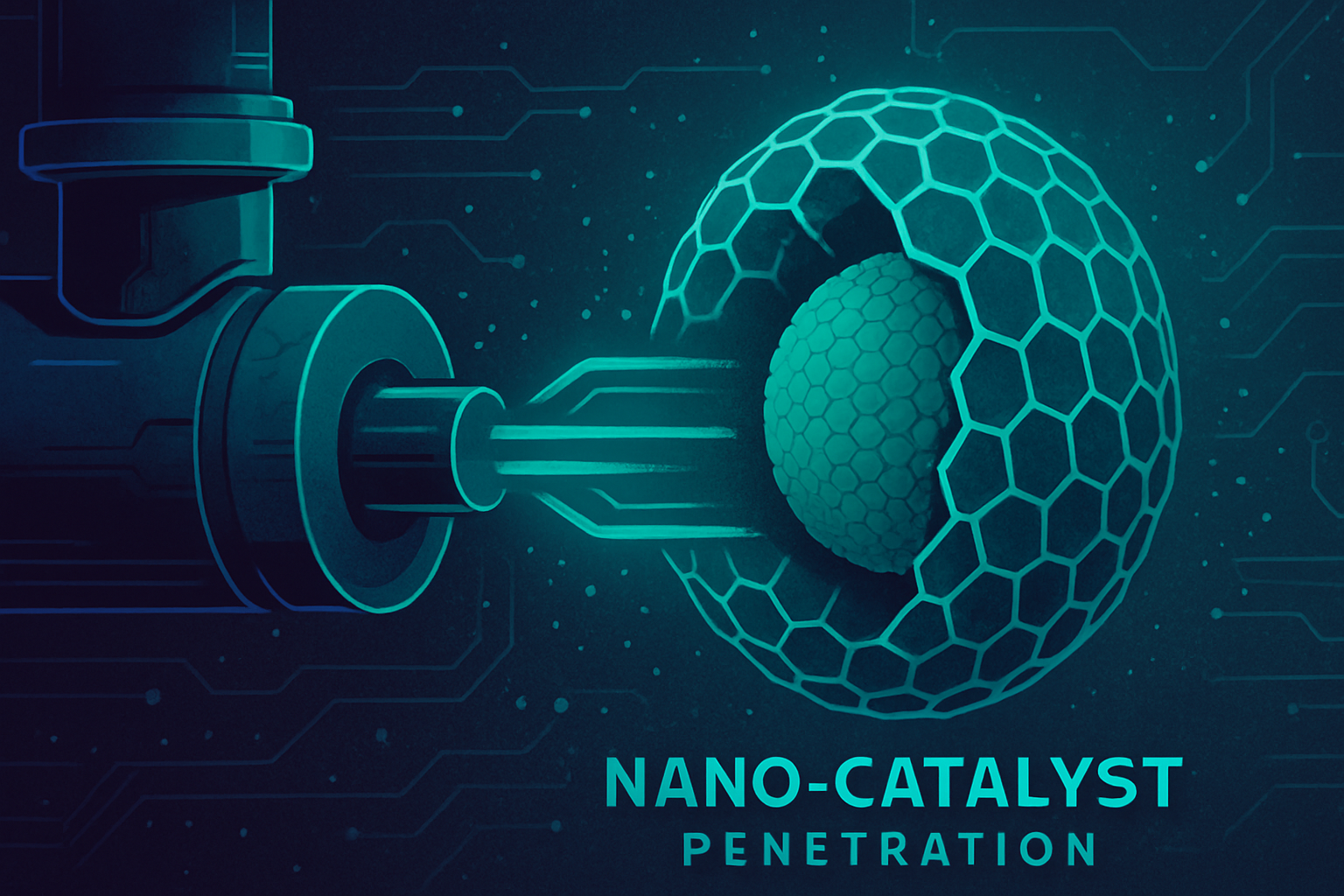
Our Technology
Tri-Phasic Remediation Powered by Nano-Bubbles, Smart Catalysts, and Modular Engineering
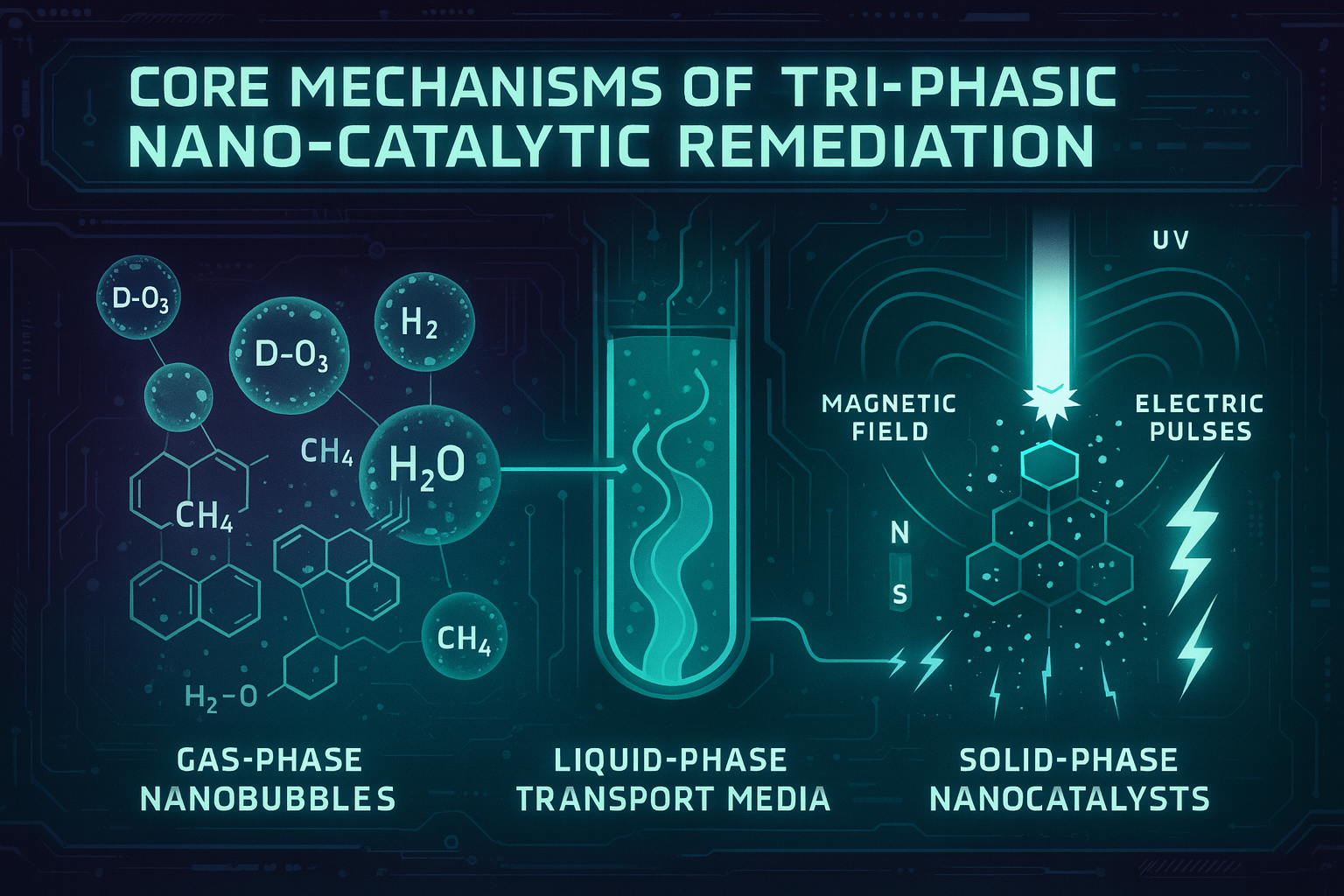
Tri-Phasic Remediation Powered by Nano-Bubbles, Smart Catalysts, and Modular Engineering
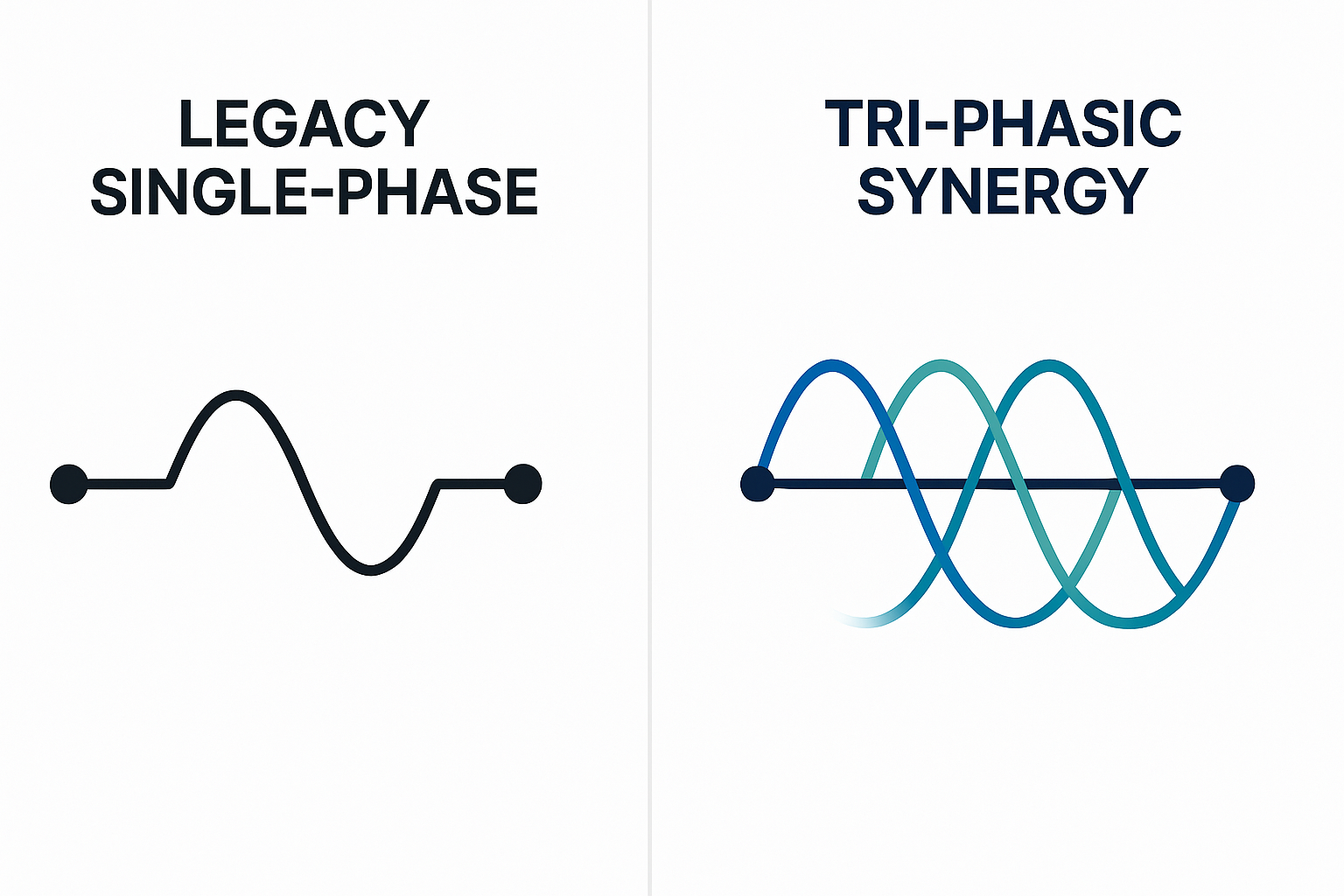
Complex hydrocarbon matrices, variable redox, and heterogeneous soils defeat single-phase methods. Our tri-phasic architecture integrates reactive gas nanobubbles, liquid-phase transport, and solid nanocatalysts, then optionally couples UV/magnetic/electro energy to cross activation barriers—in place, with minimal disruption.
Read the full overviewDiscover the core of our three-phase nano-technology that integrates gas, liquid, and solid phases for superior reactivity.
Leverage the synergy of Nano-Oxygen and Intelligent Catalysts to boost interaction efficiency across phases.
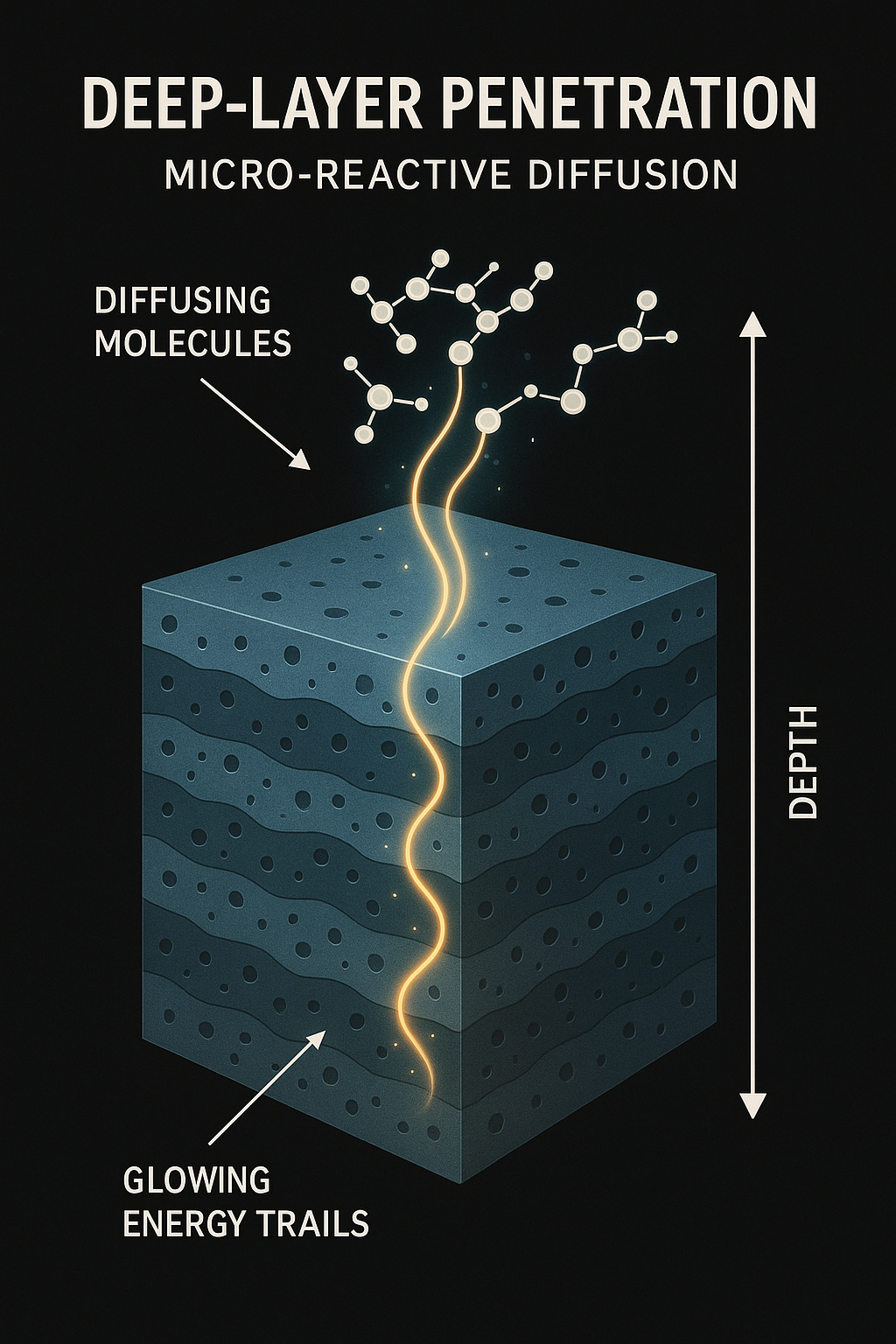
Enable multi-layered chemical penetration with unprecedented depth and speed.
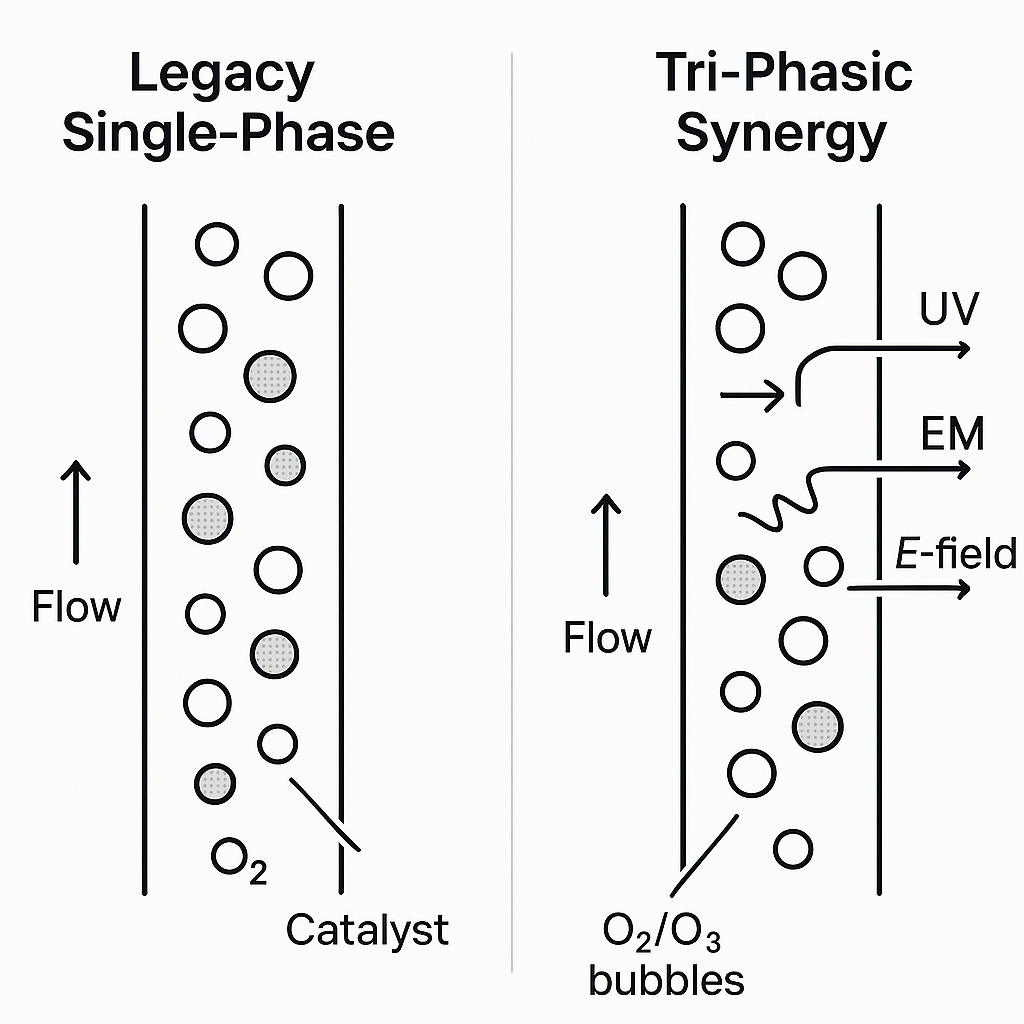
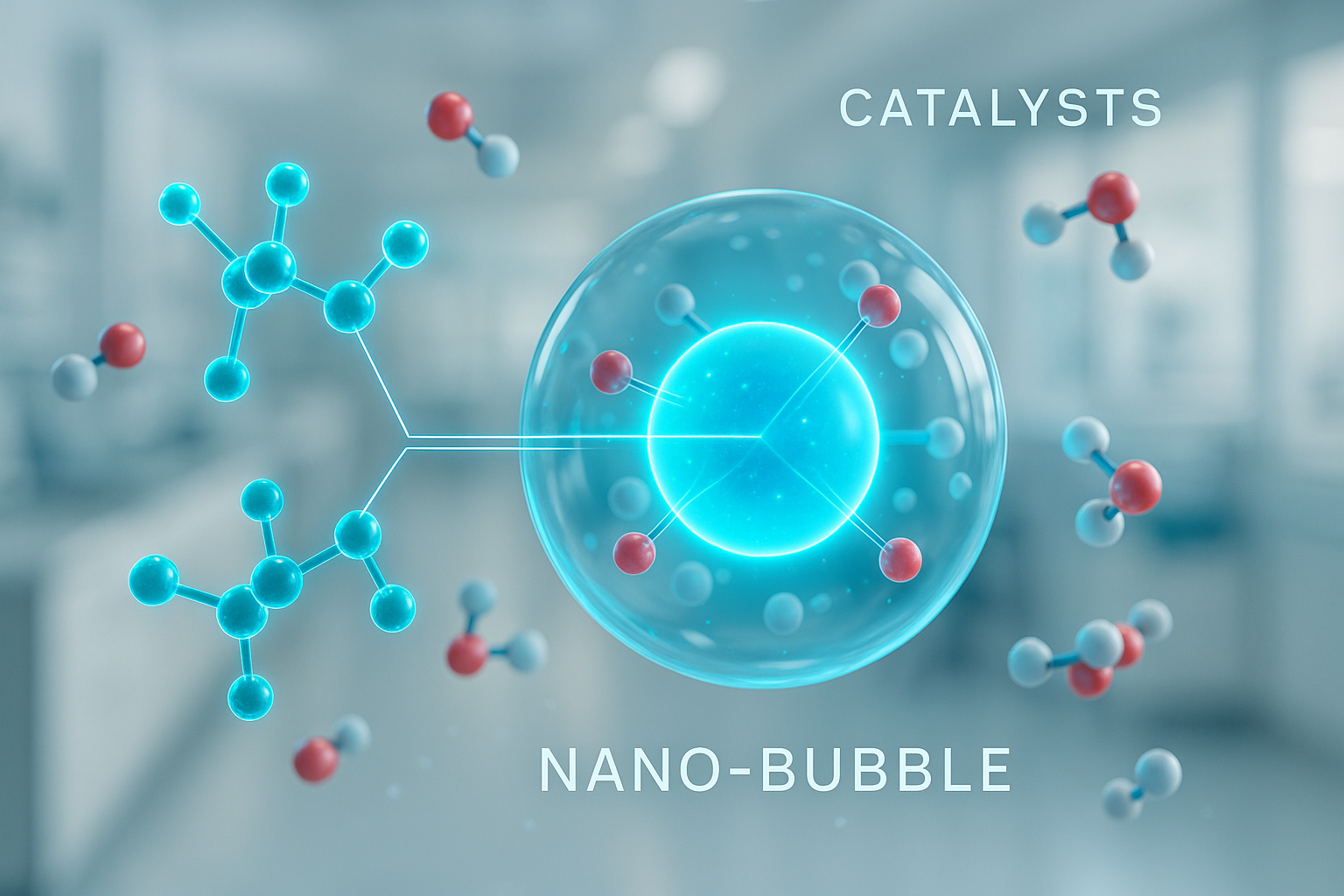
Gas-phase nanobubbles act as micro-reactors increasing interfacial area; solid nanocatalysts (engineered oxides/ nanozymes) accelerate electron transfer and ROS formation; the liquid medium directs mass transport. External UV/magnetic/electrochemical fields further intensify redox, mineralizing recalcitrant aliphatics/aromatics into CO₂, H₂O, stable salts.

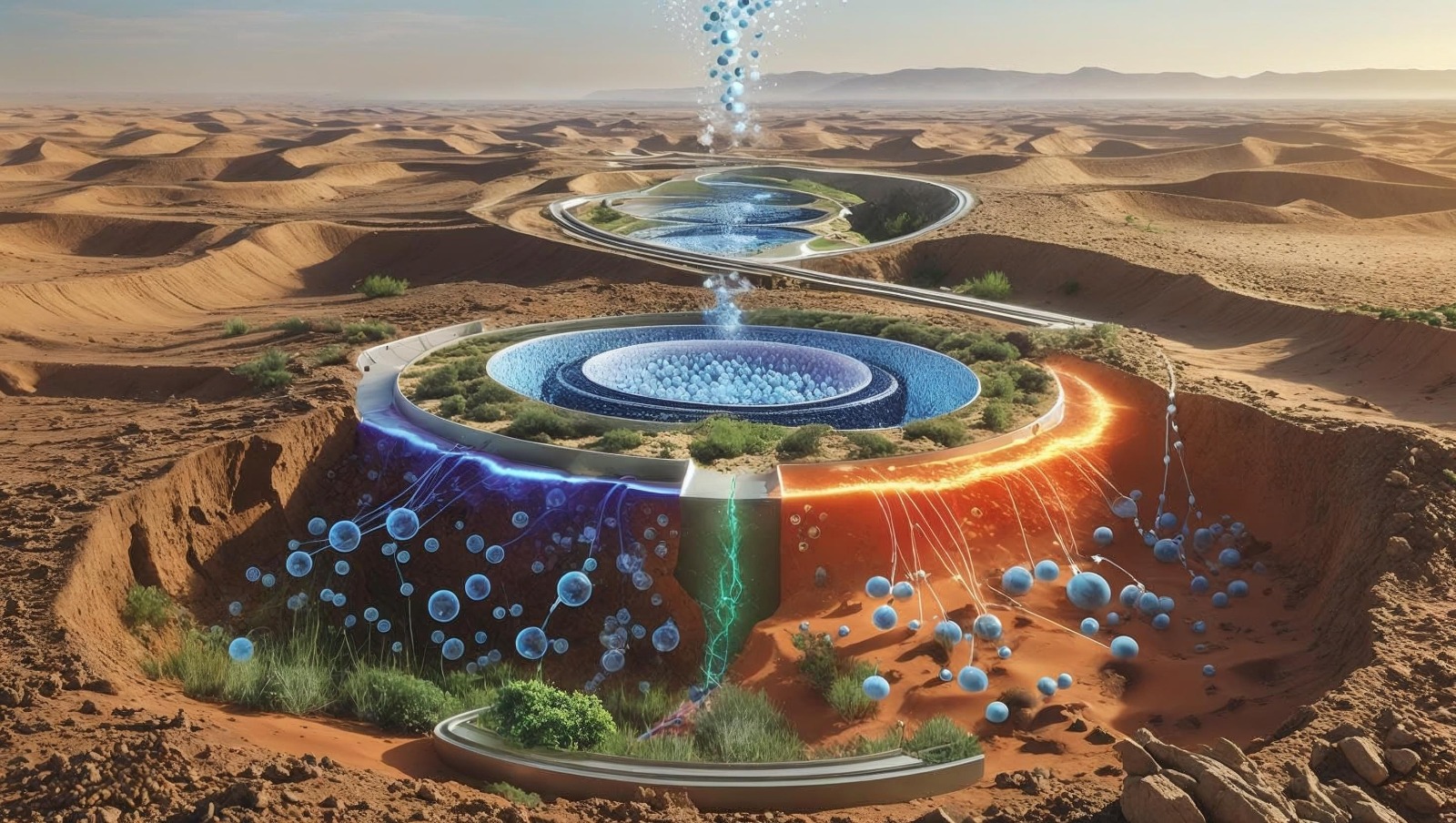
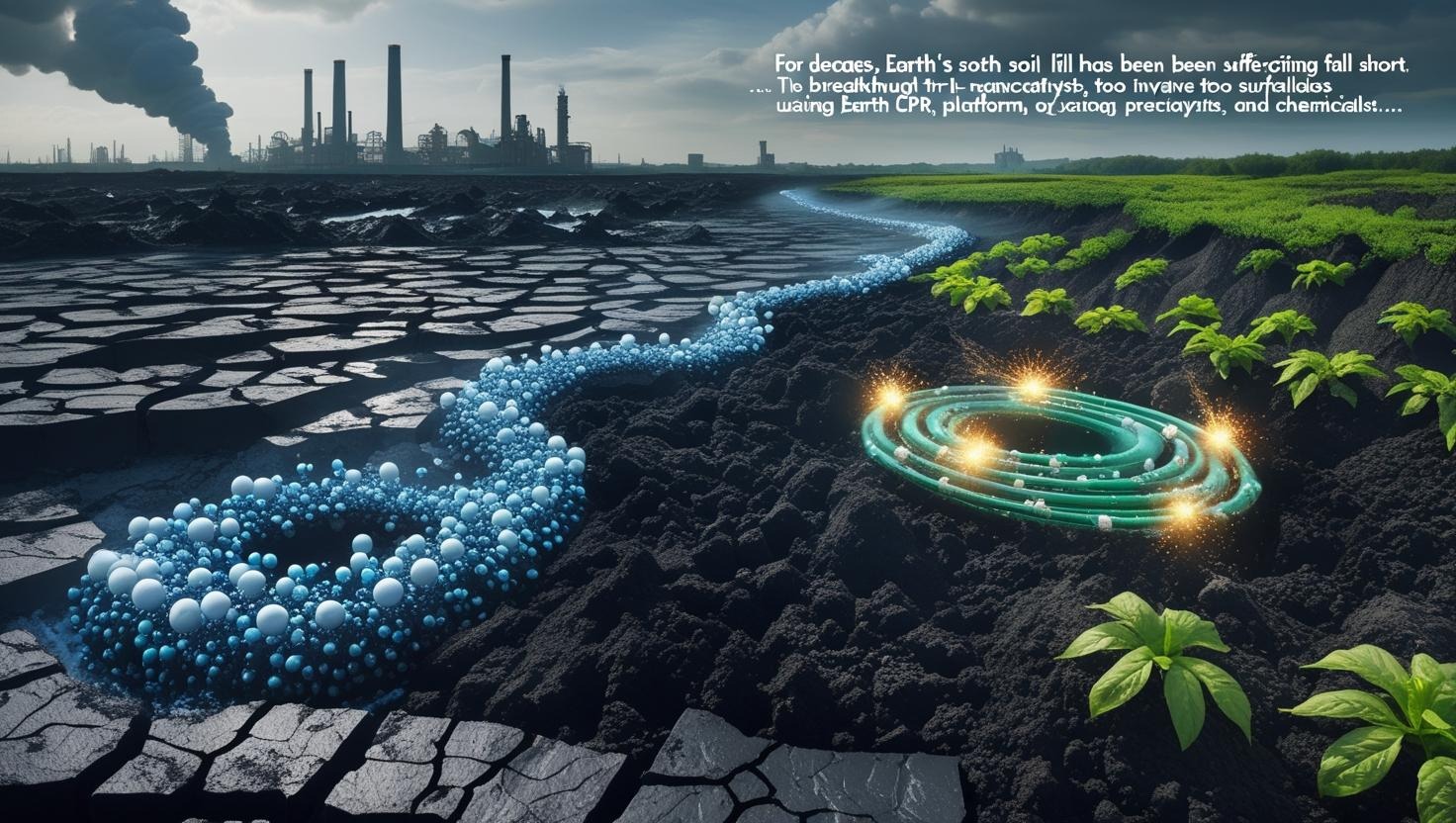
Reactive-oxygen nanobubbles carry catalytic species deep into micro-pores, creating a “glowing trail” of ongoing redox. As molecules diffuse, catalysts trigger in-situ transformations that crack hydrocarbons and phenolics below the surface—delivering long-lasting remediation where pumps and sprays can’t reach.
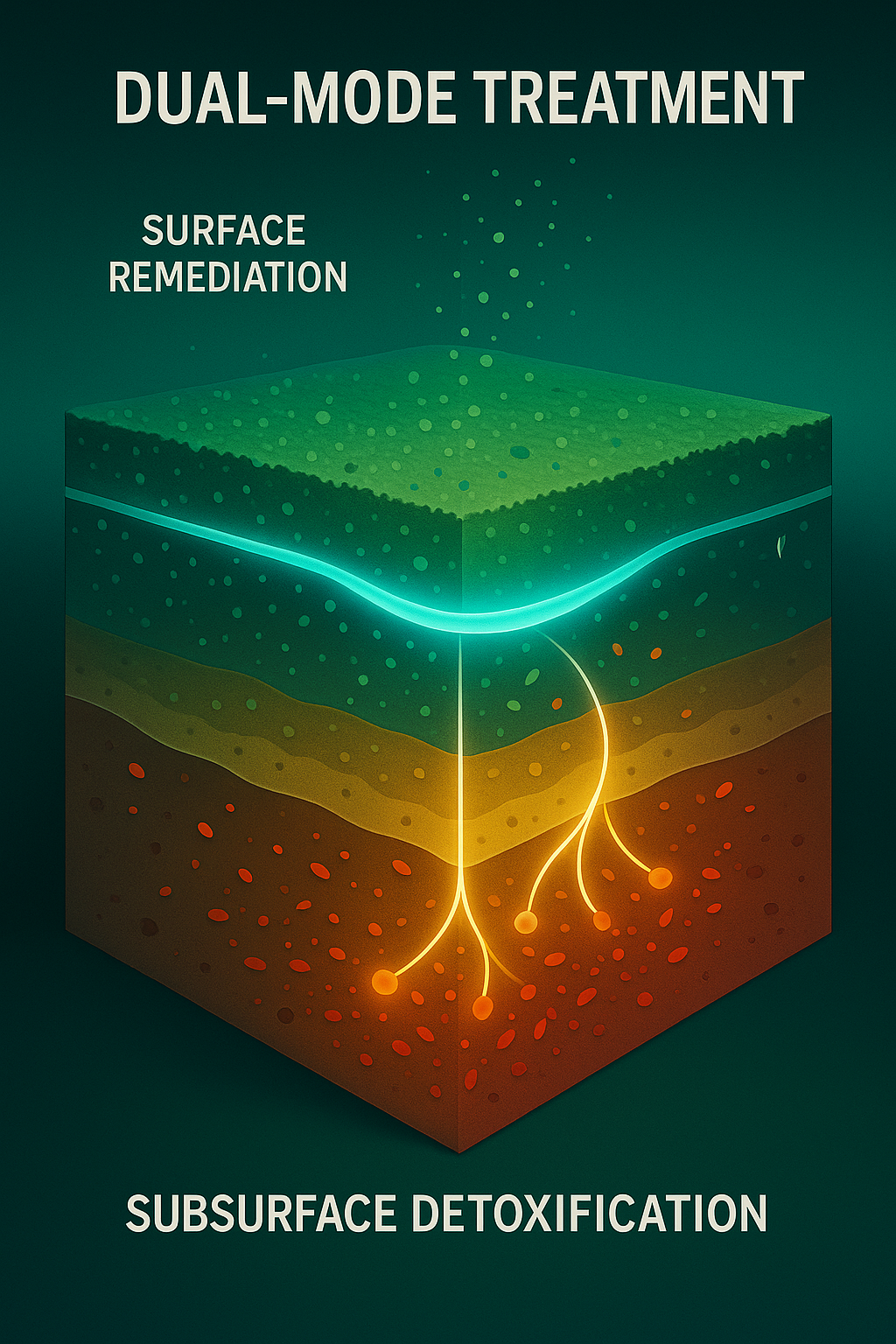
Two synchronized pathways run at once: surface remediation neutralizes visible spills and odors, while subsurface detoxification penetrates deeper layers to attack trapped contaminants. The result is rapid risk reduction at the top and sustained cleanup at depth—comprehensive coverage in a single pass.
Smart micro-capsules deliver catalysts and oxidants exactly where needed, then release them gradually on cues like pH, ORP, or gentle UV. This sustains local reactions for hours to days, raises efficiency, and prevents over-oxidation—precision dosing for sensitive sites and long-residence zones.

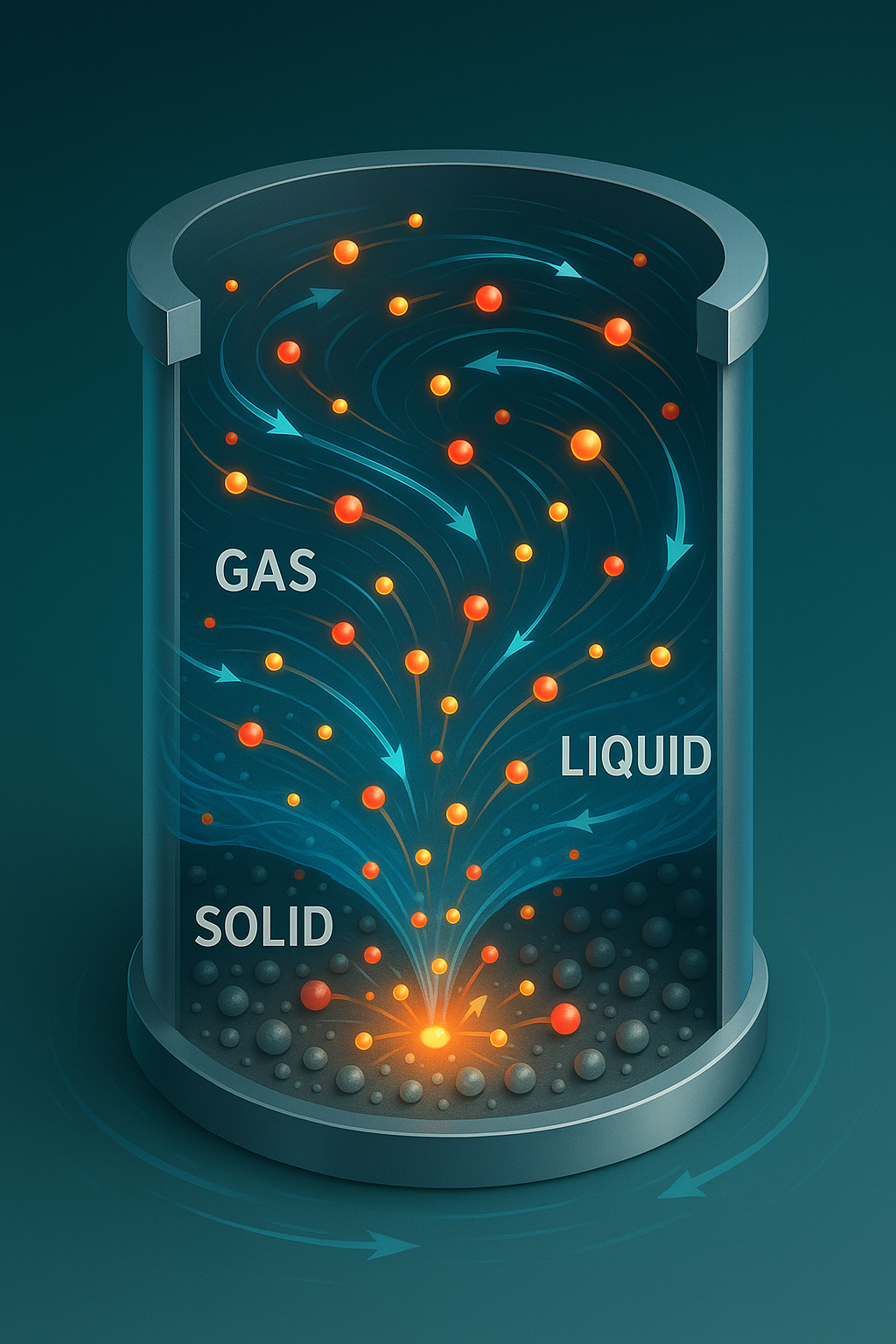
A tri-phasic micro-reactor where solid catalysts, liquid transport, and gas nanobubbles continuously exchange across interfaces. Maximized interfacial area and mixing accelerate mass transfer and reaction rates, converting recalcitrant compounds into benign end-products with minimal secondary waste.
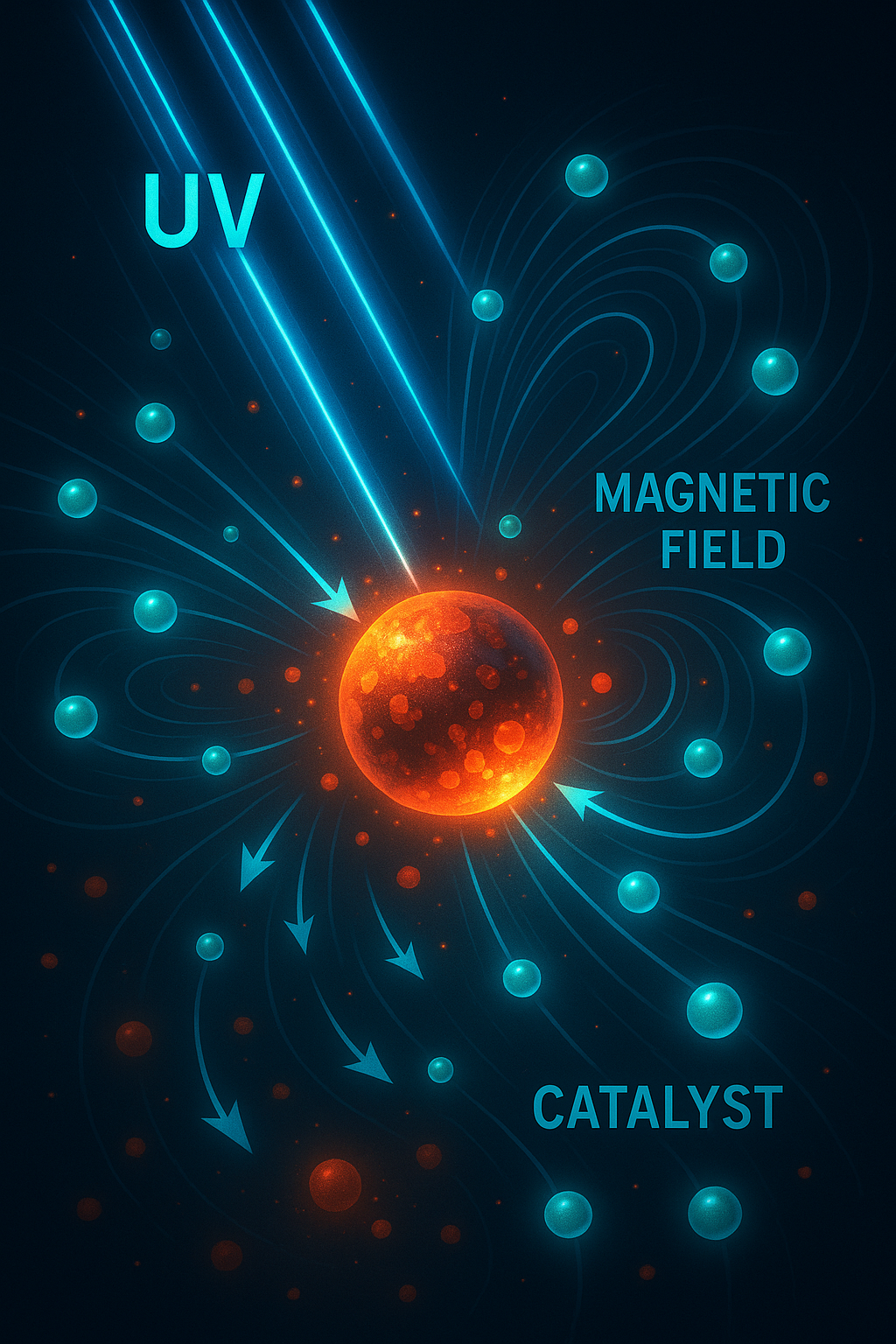
External stimuli supercharge the system: UV on TiO₂ generates ROS, magnetic fields guide charge/spin dynamics, and low-voltage pulses drive interfacial electron flow. Together they unlock hard reactions on demand, finishing stubborn fractions and shortening cleanup timelines.
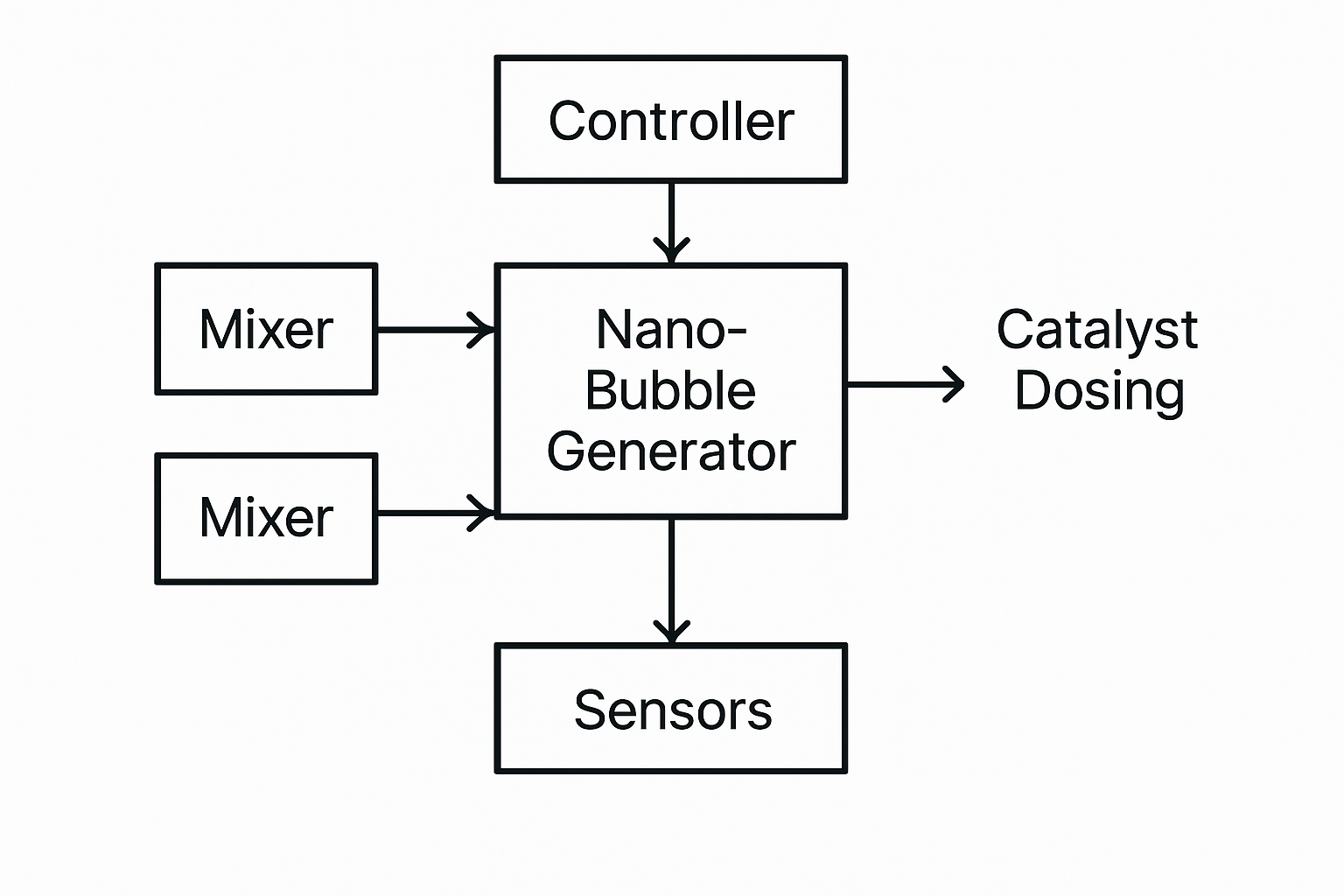
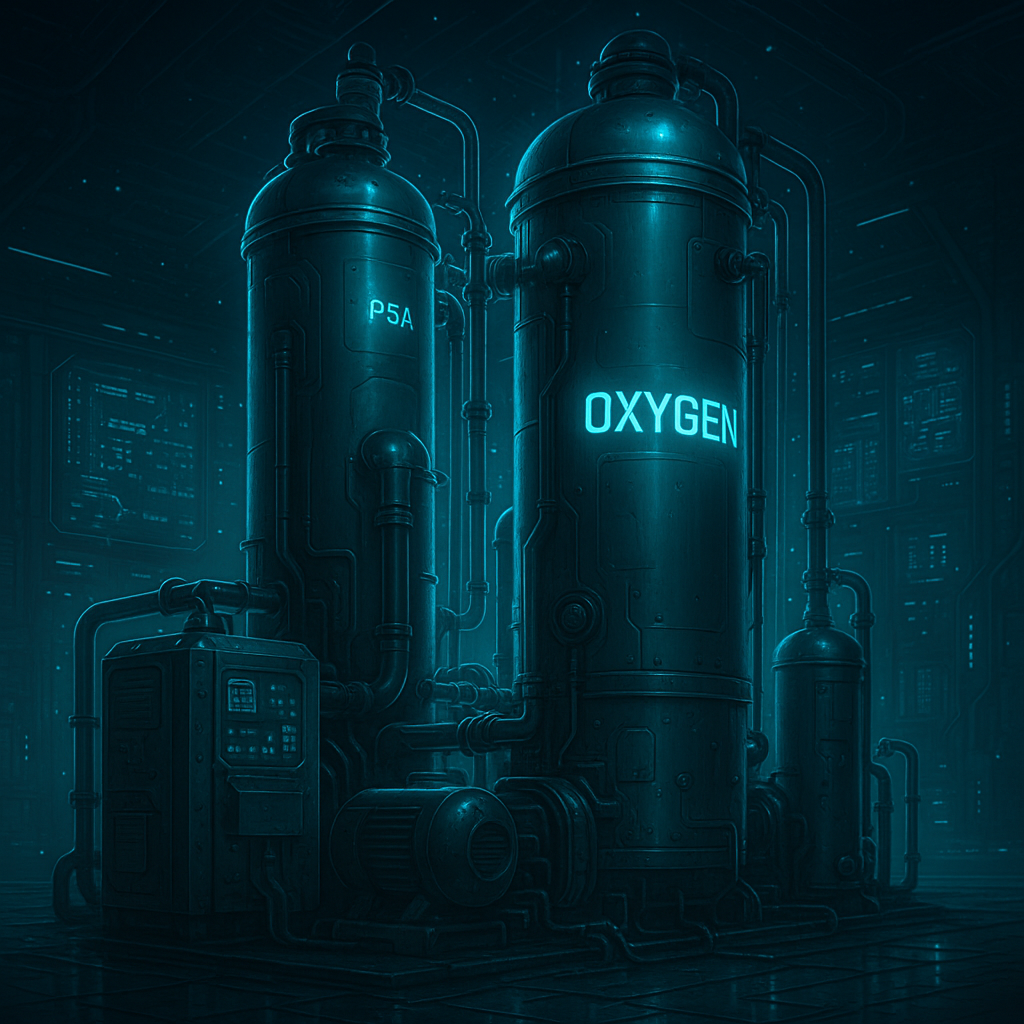
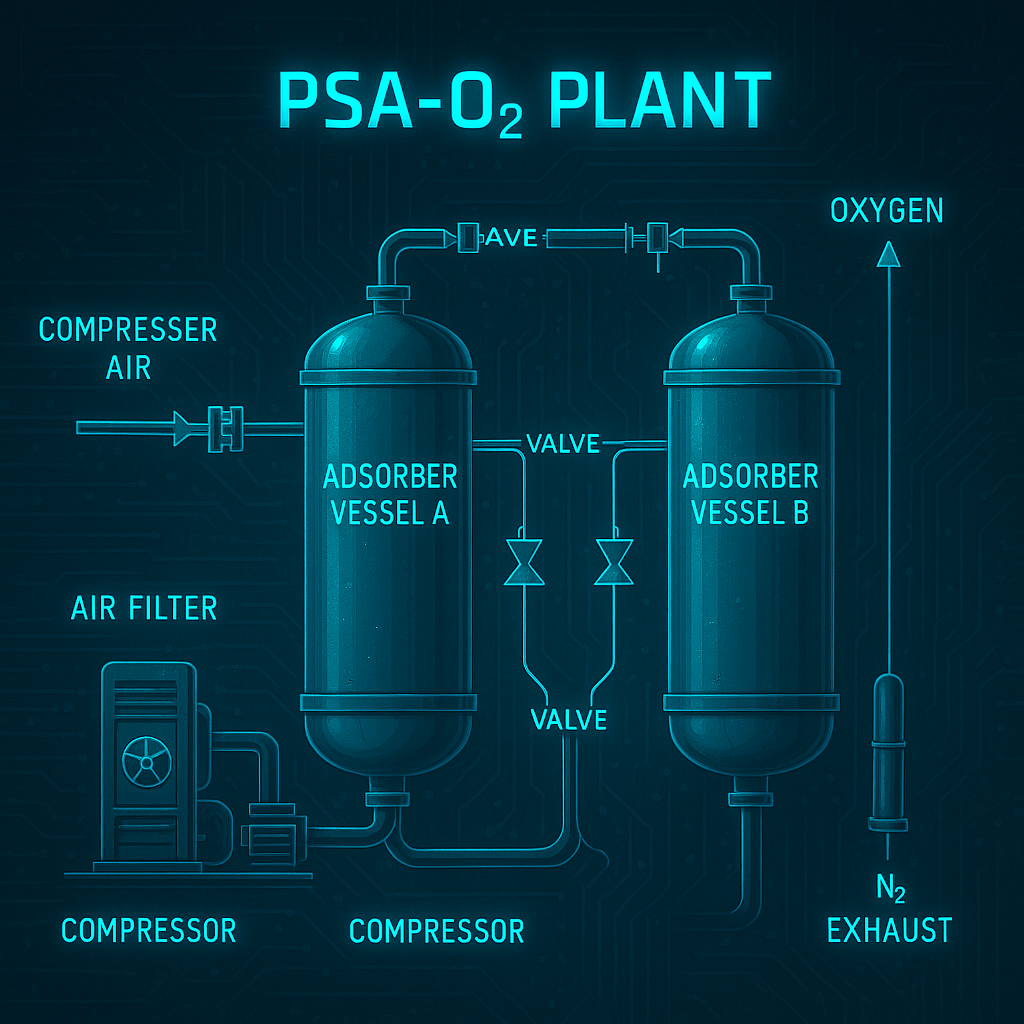
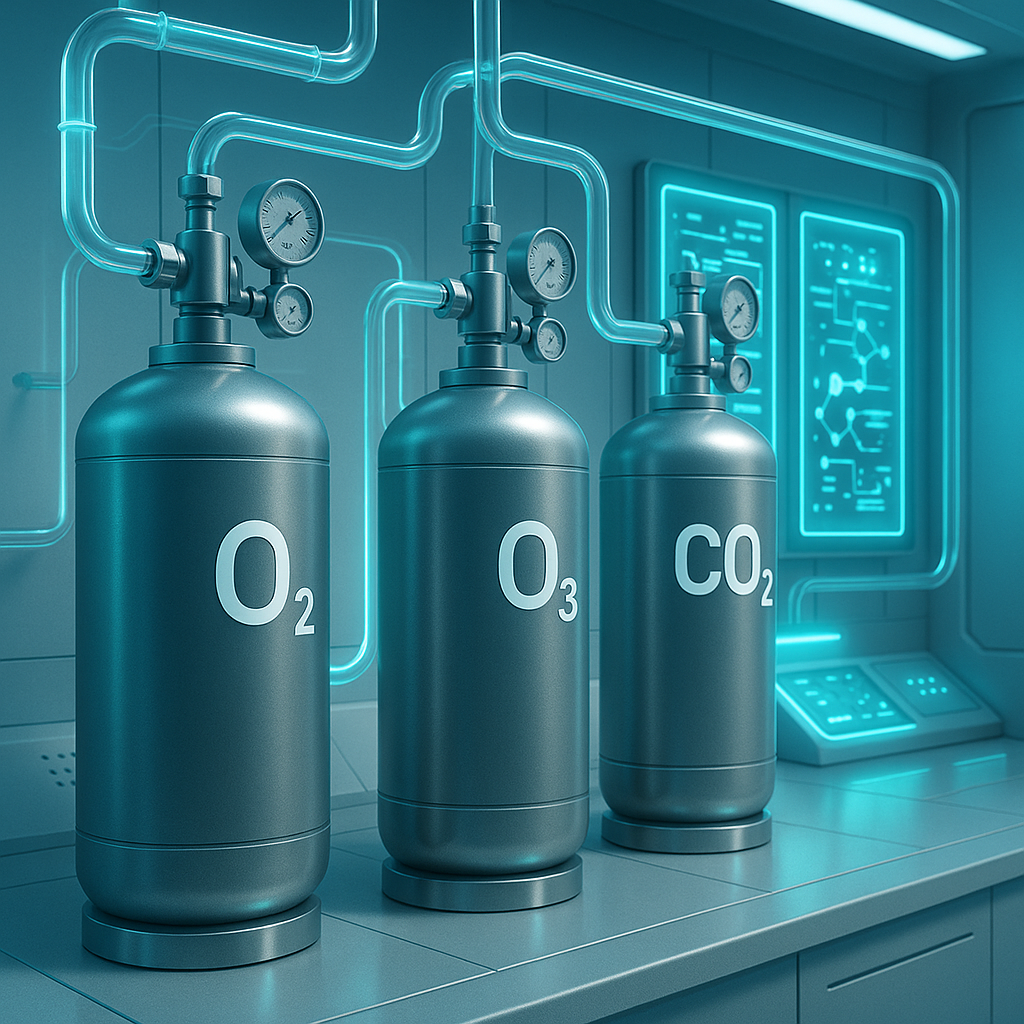
Our tri-phasic stack is built from three coordinated modules: precision oxygen release, targeted nano-catalysts, and real-time sensing & control. Together they boost interfacial reactions, penetration, and safety.
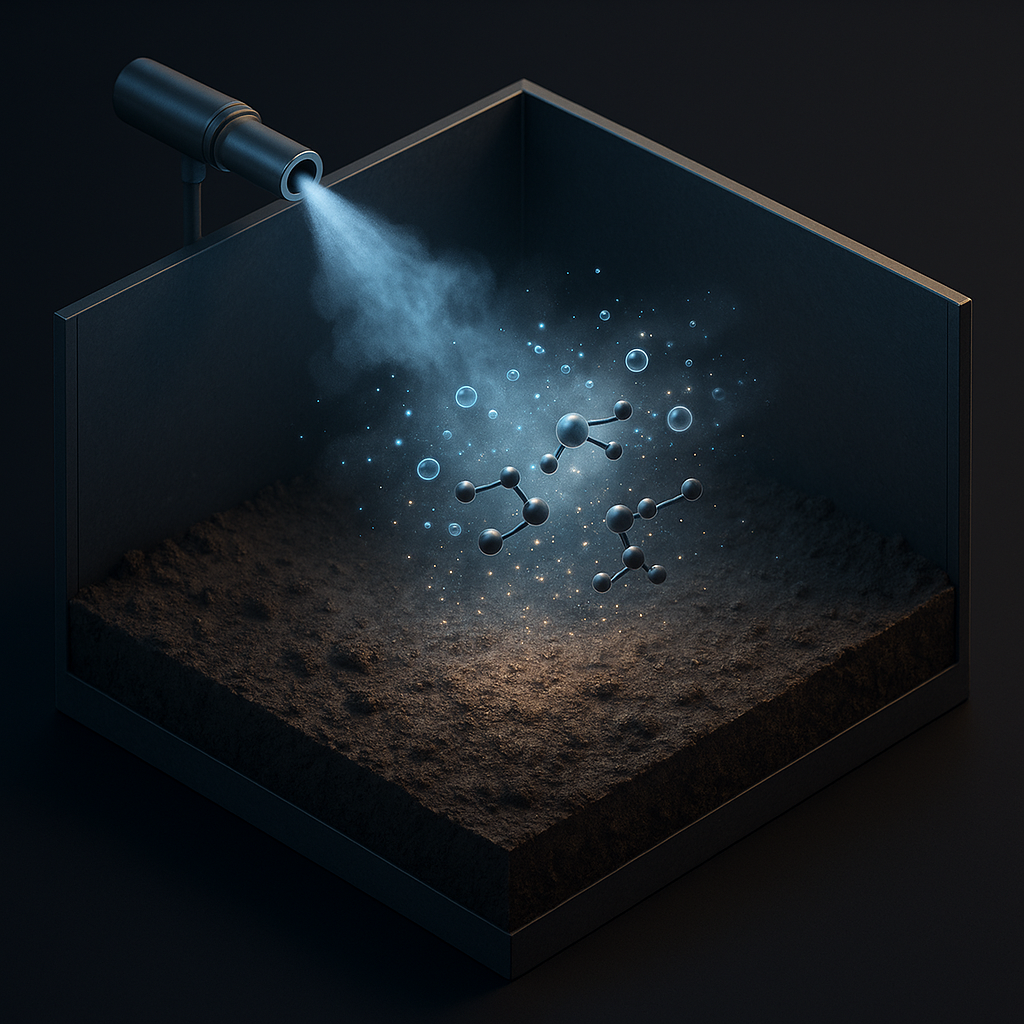
VOCs, H₂S, methane, surfaces/enclosures.

subsurface infiltration, vadose & saturated zones.
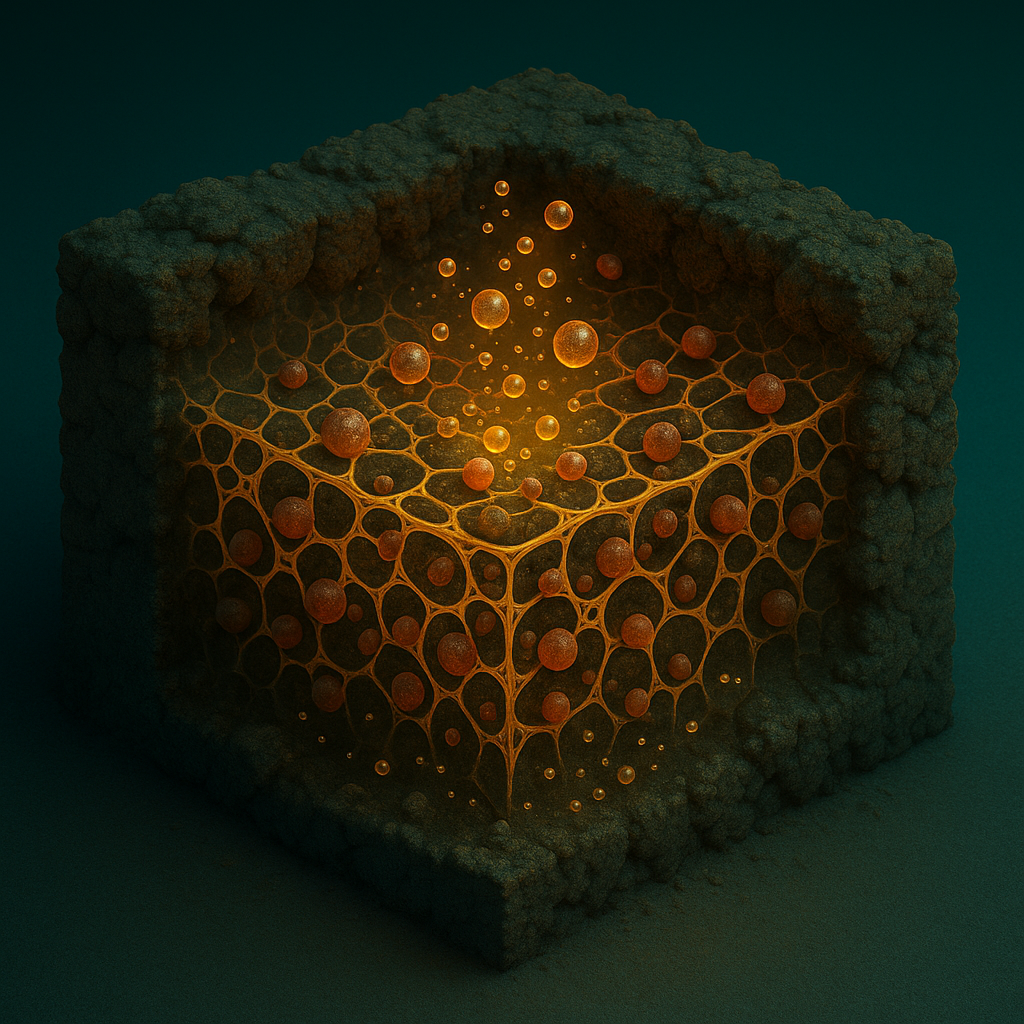
slow-release, long residence, passive zones (wetlands, livestock effluents, hotspots).
.jpeg)
.jpeg)
.jpeg)
In-situ, no excavation, minimal secondary waste.
Mass-transfer boost via nanobubbles; selective catalysis; dual redox steering.
Site-specific tuning; consistent performance from clays to sands.
Outperforms conventional aeration and single-oxidant AOPs in complex matrices.



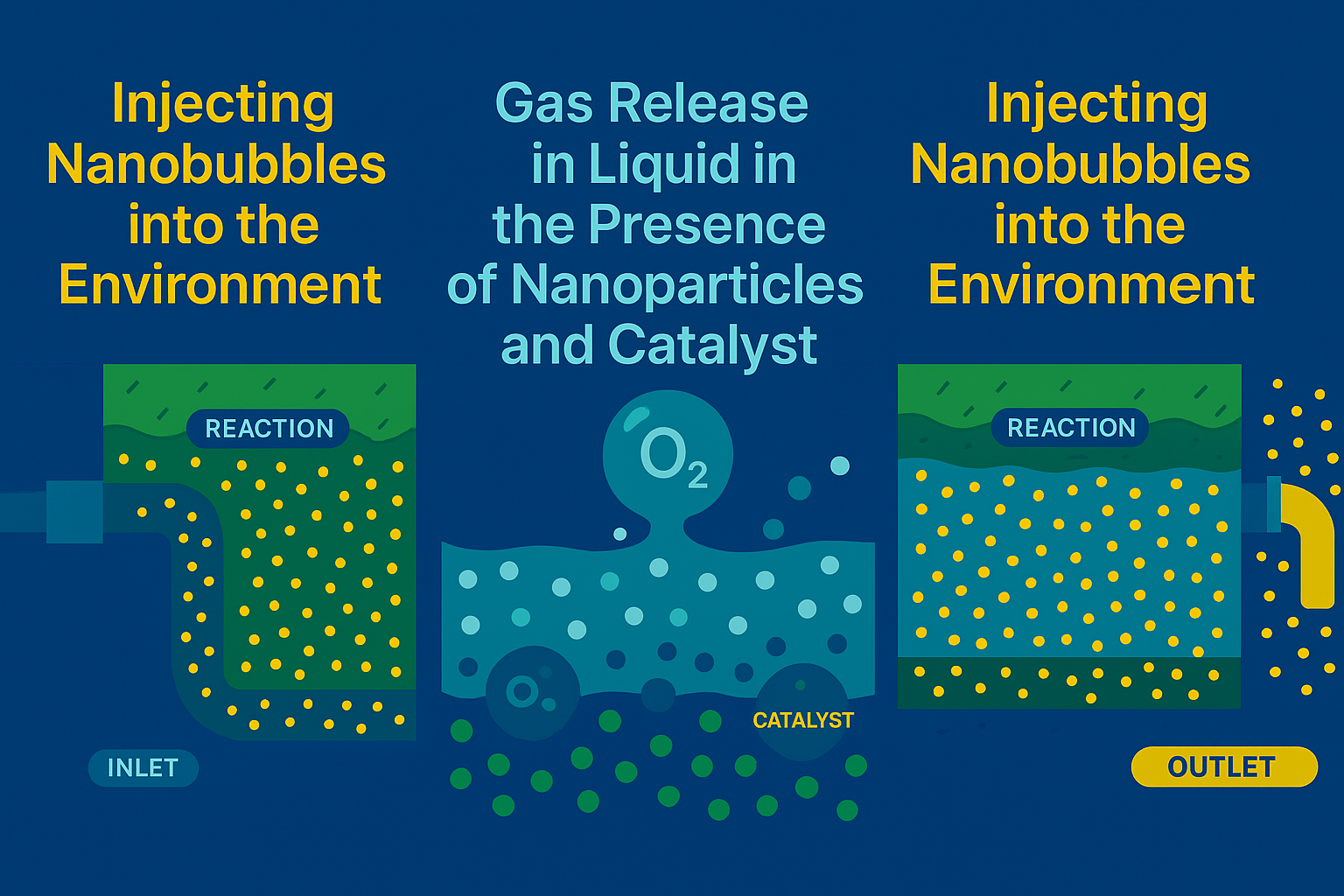
Reaction–diffusion modeling confirms improved transport/reactivity with concurrent nanobubble+catalyst injection (moist sandy loam).
Bench & pilot runs show ~85–90% biodegradation/oxidation in multi-regional trials, surpassing BioVent (~50%) and Fentox (~60–70%), and matching/ exceeding nano-ozone hybrids (~78%).
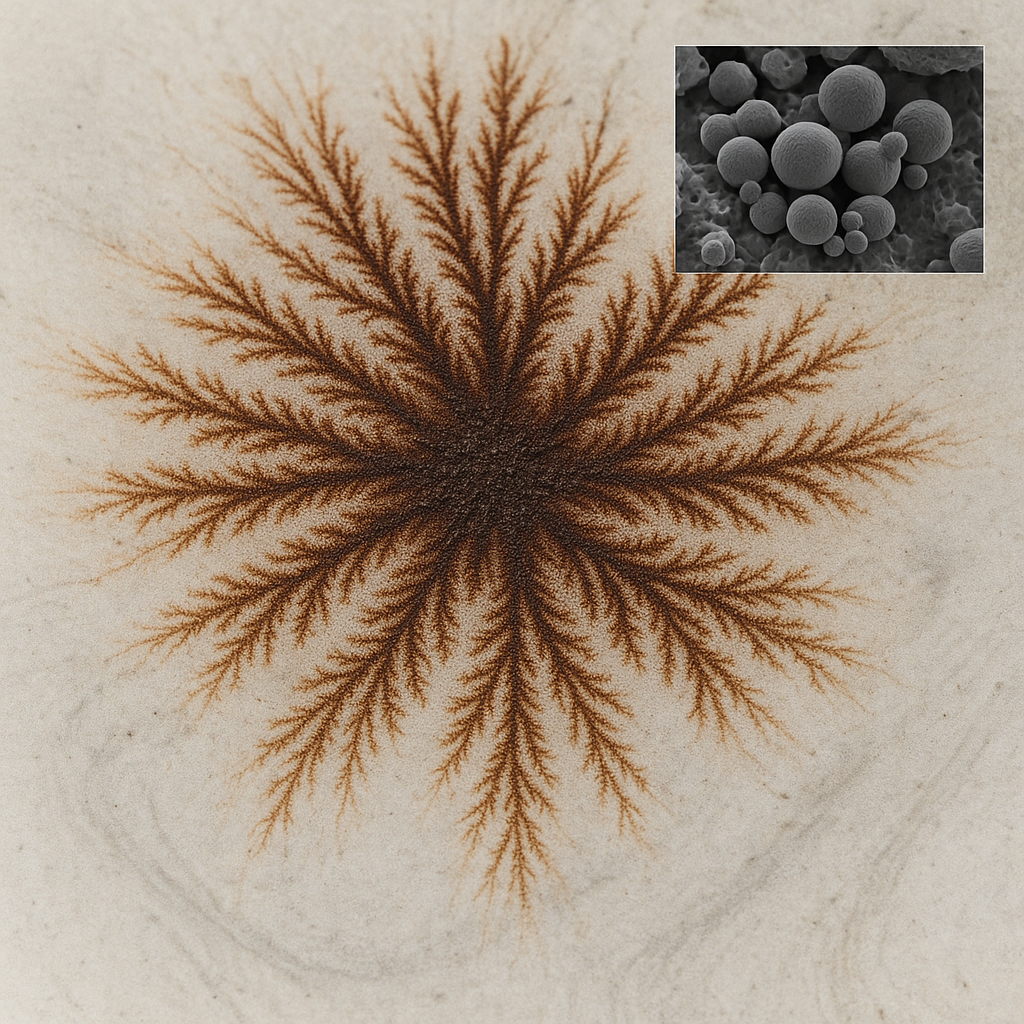
During Fe³⁺/H₂O₂ with O₃/O₂ nanobubbles, we observed self-assembly of iron-oxide-rich catalytic scaffolds forming radial, dendritic patterns at the vessel base. Potential: structured catalyst beds, process fingerprinting, and eco-art branding (“Nature’s painting while we heal it”).

Derived from natural sources, these catalysts are biodegradable, safe, and environmentally responsive. Perfect for eco-sensitive environments.

Engineered from reactive metals such as platinum, titanium, or iron, these catalysts offer high stability and strong catalytic activity for industrial applications.
Synthetic enzyme mimics with nanoscale precision that offer targeted catalytic reactions—combining biological selectivity with chemical durability.
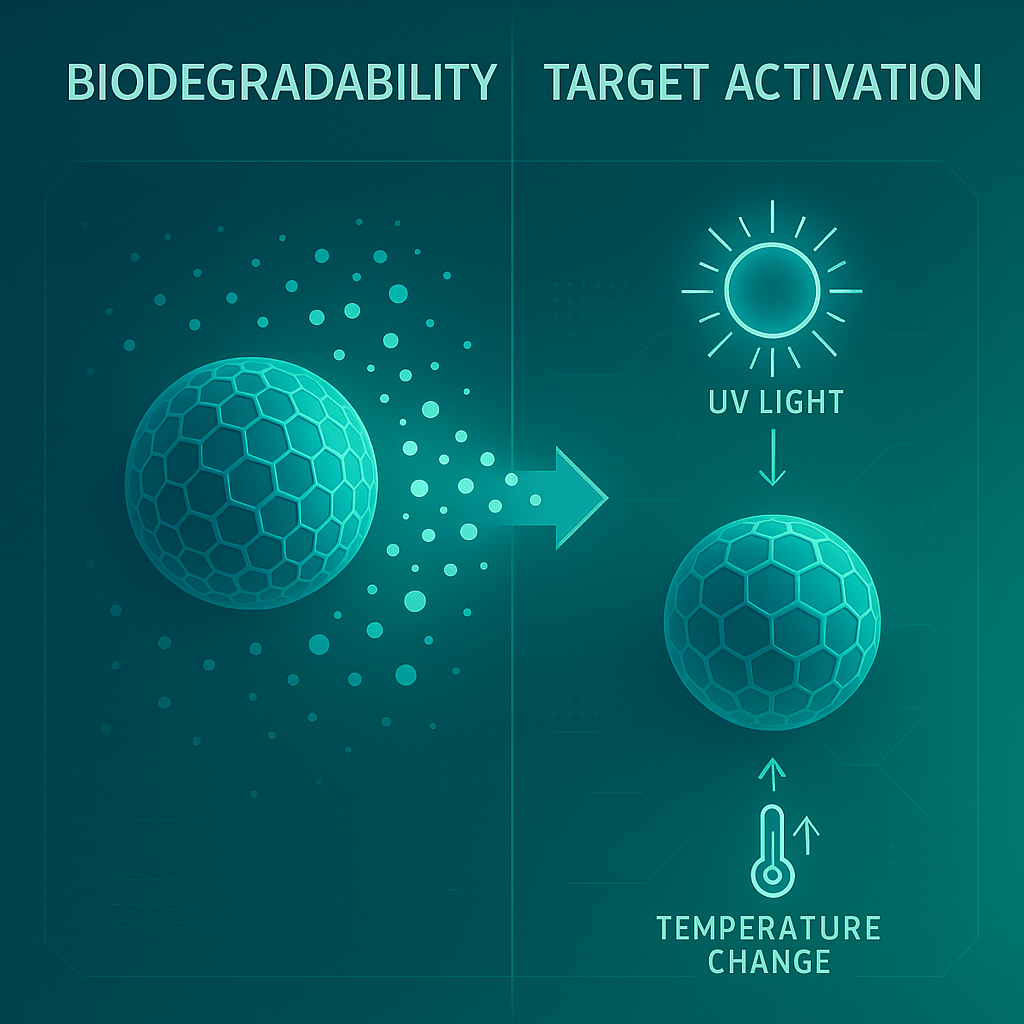
Designed to break down safely after use, reducing long-term environmental impact.
Perform reliably in gas, liquid, or solid phases within tri-phasic systems.
Catalysts activate only under specific triggers (e.g., pH, temperature, light), ensuring controlled reactivity and safety.
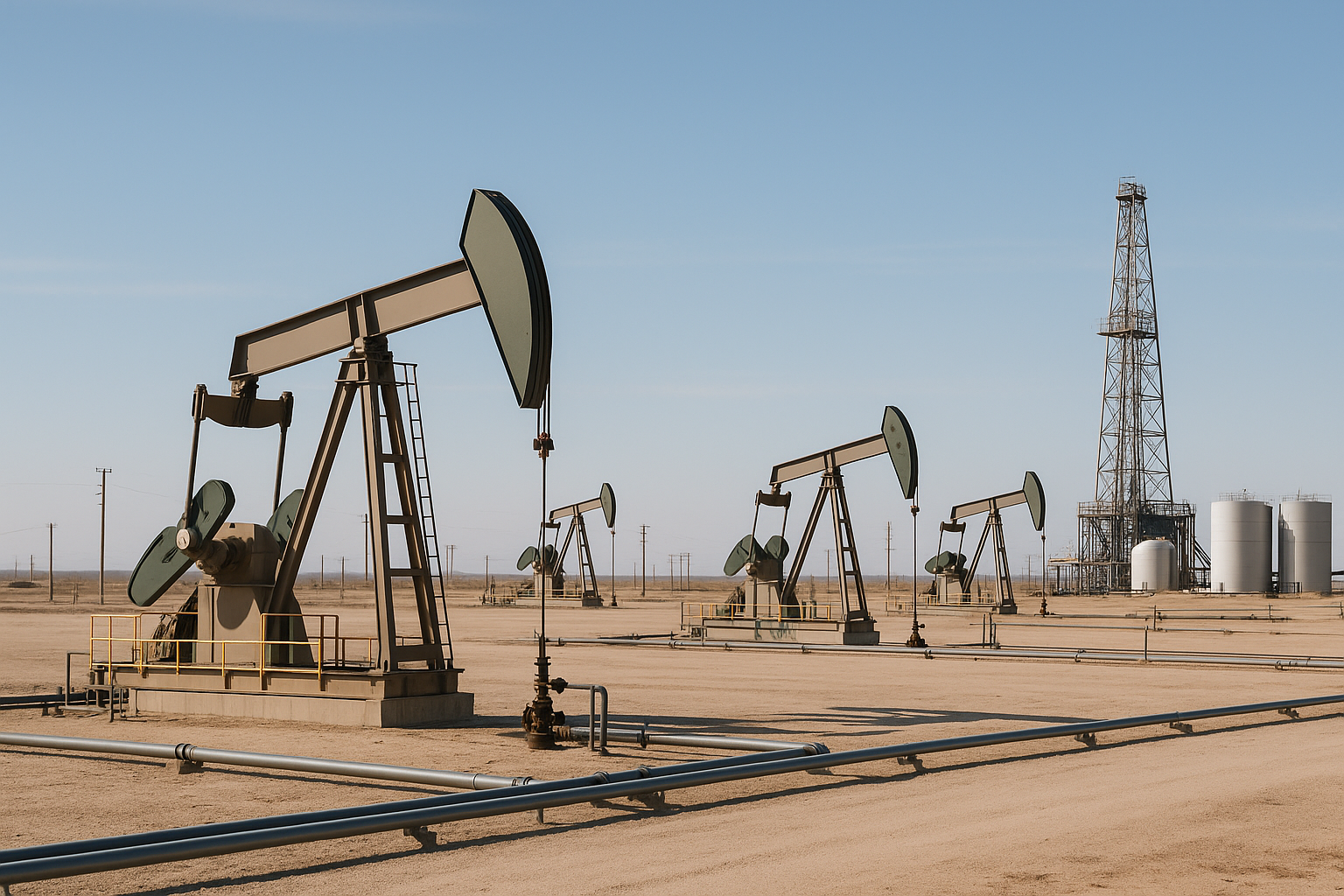
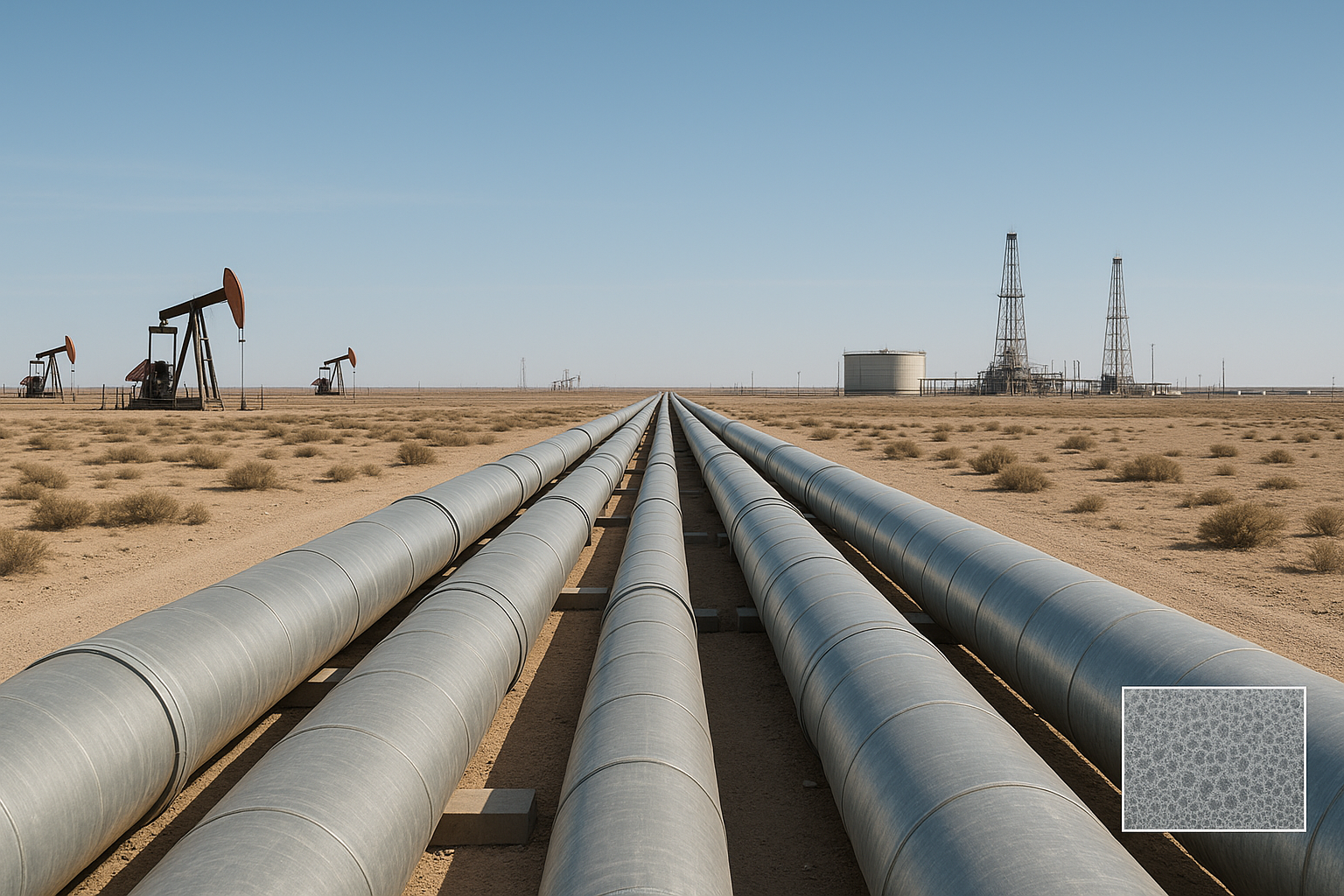
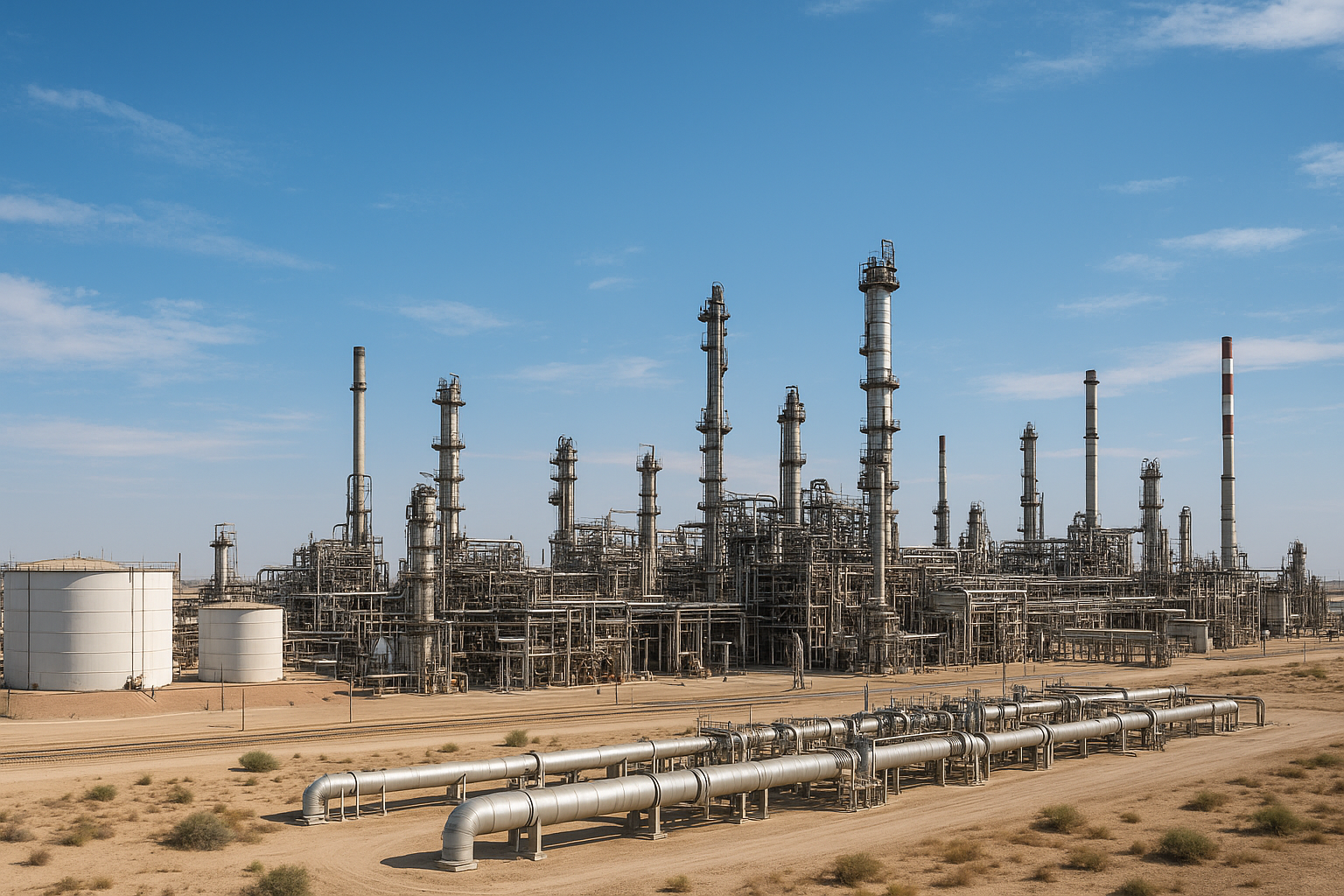
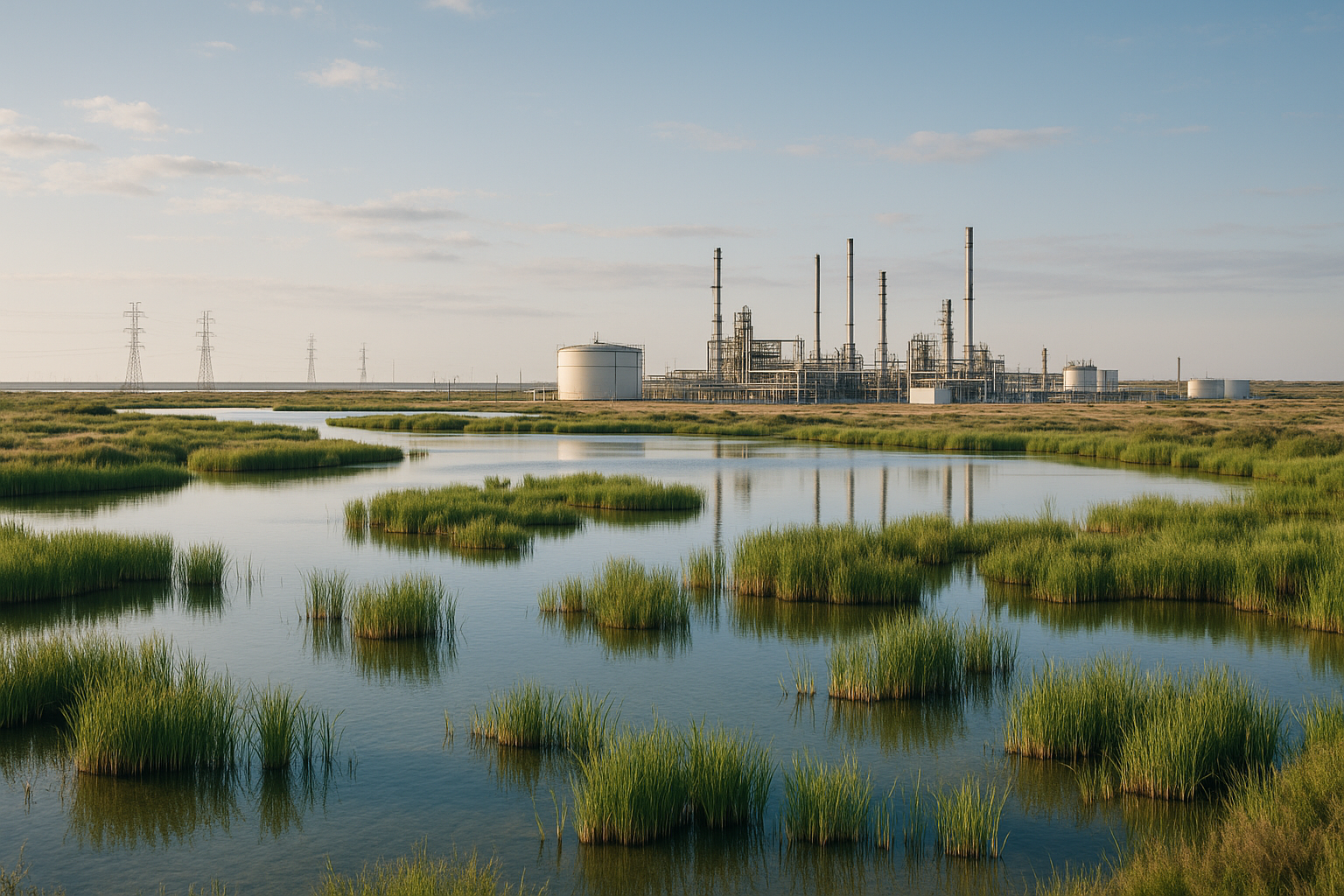
From oil fields & pipelines to wetlands & agriculture, the platform adapts to each matrix.





We are often asked...
(TPH, VOCs, phenols, H₂S, heavy metals synergy).
(gas mix, catalyst, ratios, injection).
(No; in-situ, minimal secondary waste).
(Modeling + DOE + pilots;).
Controlled oxidant dosing (O₃/H₂O₂), pH/temperature/ORP monitoring, gas handling, PPE, and neutralization plans are built into SOPs. (Site-specific method statements available.)