Injectable Fluid

Sector‑Specific
Remediation,
Backed by Hard Data

An adaptive tri‑phasic nano‑catalytic platform delivering in‑situ treatment across oil & gas, petrochemical, mining, and HSE‑critical sites—with proven modeling and pilot benchmarking.
Technology Use Cases (PDF)
Download Full Solutions Brochure (PDF)

Our Approach: Tailored Environmental Remediation for Complex Sites

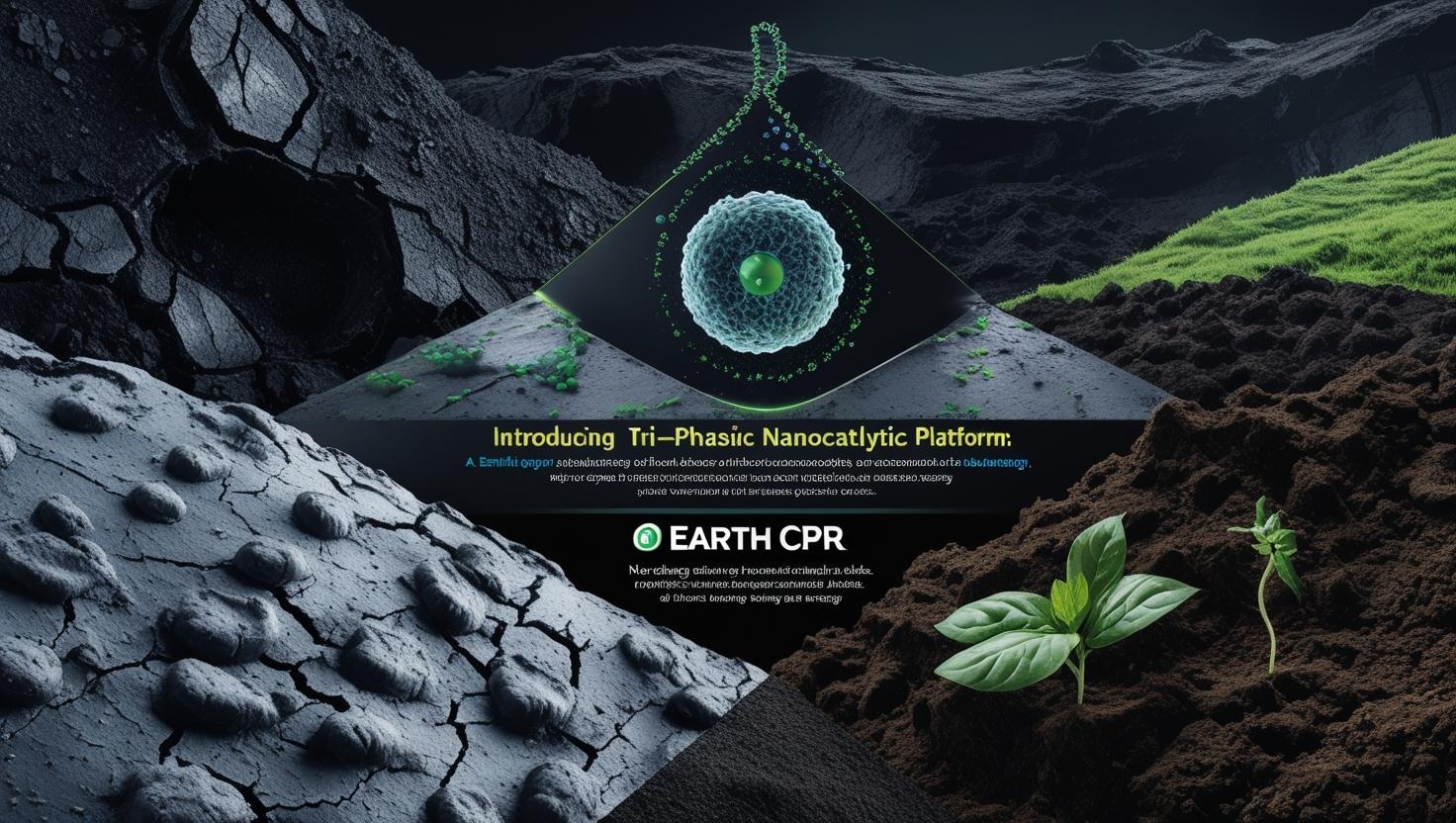
The Tri‑Phasic Nano‑Catalytic Platform (TPNCP) disperses reactive species across solid‑liquid‑gas interfaces to degrade persistent pollutants while staying compatible with in‑situ conditions—adapting from upstream extraction to HSE emergencies.

“Field validation of the tri-phasic nano-catalytic platform, demonstrating pollutant degradation efficiency under real soil and water conditions.”

Industry-Based Solutions

Discover our tailored services designed to elevate your brand, enhance user experience.

Upstream Oil & Gas

Upstream Oil & Gas (Exploration & Drilling)

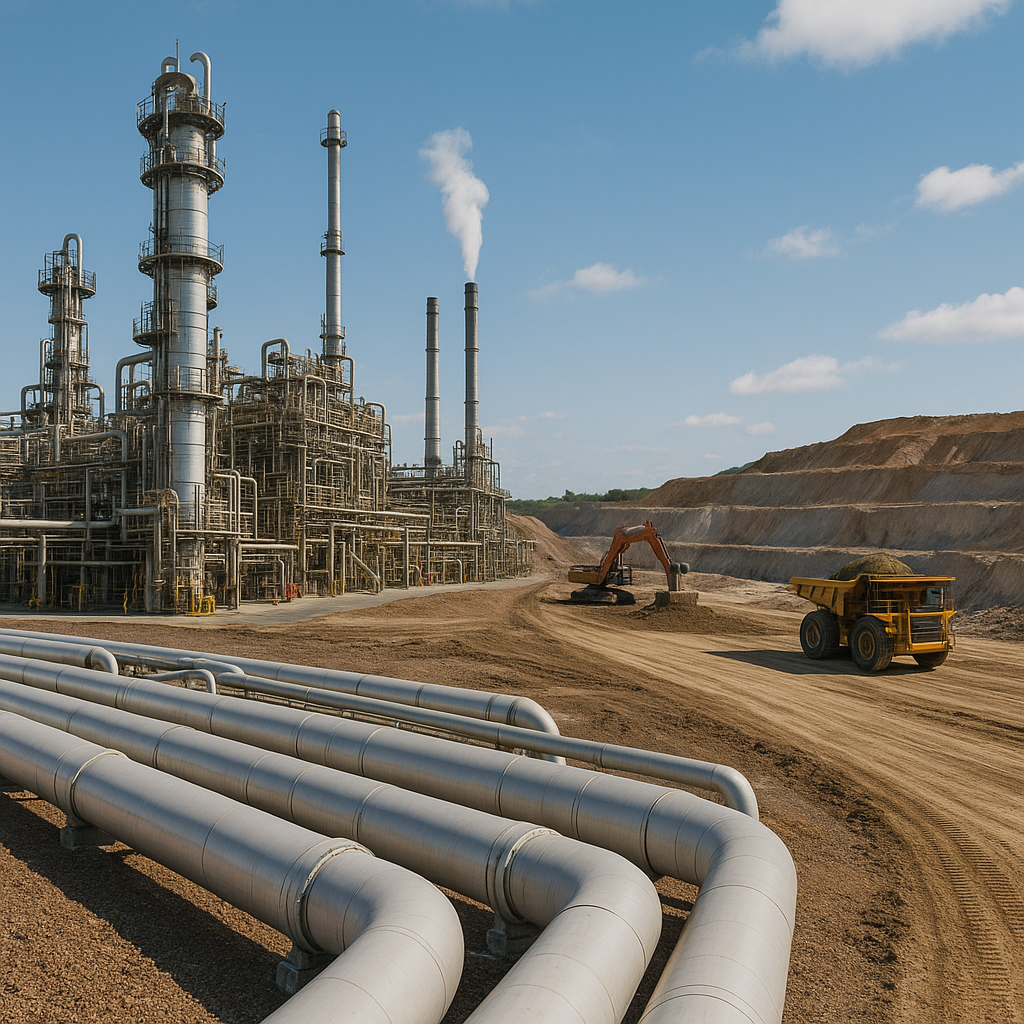
Oxidative breakdown of drilling muds, formation waters, and complex hydrocarbons. High‑penetration nanofluidic dispersions permeate heterogeneous formations, enhancing desorption and microbial stimulation—even in arid, offshore, or permafrost conditions.

Midstream (Pipelines & Monitoring)

Nano‑mist and gel deployments address subsurface leaks and chronic seepage. Enables surface/subsurface oxidation of BTEX without disruptive excavation; continuous in‑situ neutralization at the soil–fluid interface.

Downstream (Refining, Storage, Distribution)

Targeted destruction of phenolics, aromatics, and SVOCs via reactive microbubble + catalyst systems; stratified dosing and automated control minimize residues and secondary emissions.

Petrochemical & Specialty Chemical Facilities

Precision remediation of VOCs, halogenated compounds, and PAHs with redox‑adaptive control and real‑time catalyst activity tuning.

Mining & Metallurgy

Stabilization of cyanide‑laden effluents and residues from tailings/heaps via redox‑modulated dispersion; tuned to porosity, mineralogy, and hydrological gradients.

High‑Risk HSE Zones

Fast‑acting injectable multi‑phase formulations for spills in ports, terminals, fuel yards; rapid activation, HSE compliance, and sensor compatibility.

Why This Platform Wins

Faster time‑to‑remediation via multi‑depth interfacial kinetics (−50–70%).

In‑situ, non‑invasive application; minimal disruption/cost.

Dual pathway: chemical oxidation + biostimulation via O₂ nanobubbles.

Ambient operation; curbs secondary toxic gas emissions (e.g., H₂S, CH₄).

Residue‑free inputs;

biodegradable/recyclable components.Flexible modalities; real‑time tunability to site pH, porosity, moisture.

RESULTS – Experimental Validation

We model transport & reaction of reactive nanobubbles in contaminated soils with the Advection–Diffusion–Reaction (ADR) equation; finite-difference simulations confirm effective penetration in moist sandy-loam under nanobubble injection.

Advection–Diffusion–Reaction equation governs transport & degradation of contaminants under nanobubble injection; finite‑difference simulations confirm effective penetration in moist sandy loam.

Designed Experiments (DOE)

Parametric DOE across representative contaminants confirms robust biodegradation: 58.2% (heavy HC), 73.5% (light oil), 65.1% (phenol/PAH), 80.3% (mixed oil+VOC) with specified depth/flow/time configurations.

Heavy Hydrocarbon — 30 cm, 1.0 L/min, 12 h → 58.2% biodegradation

Light Oil — 50 cm, 2.0 L/min, 8 h → 73.5%

Phenol/PAH — 40 cm, 1.5 L/min, 10 h → 65.1%

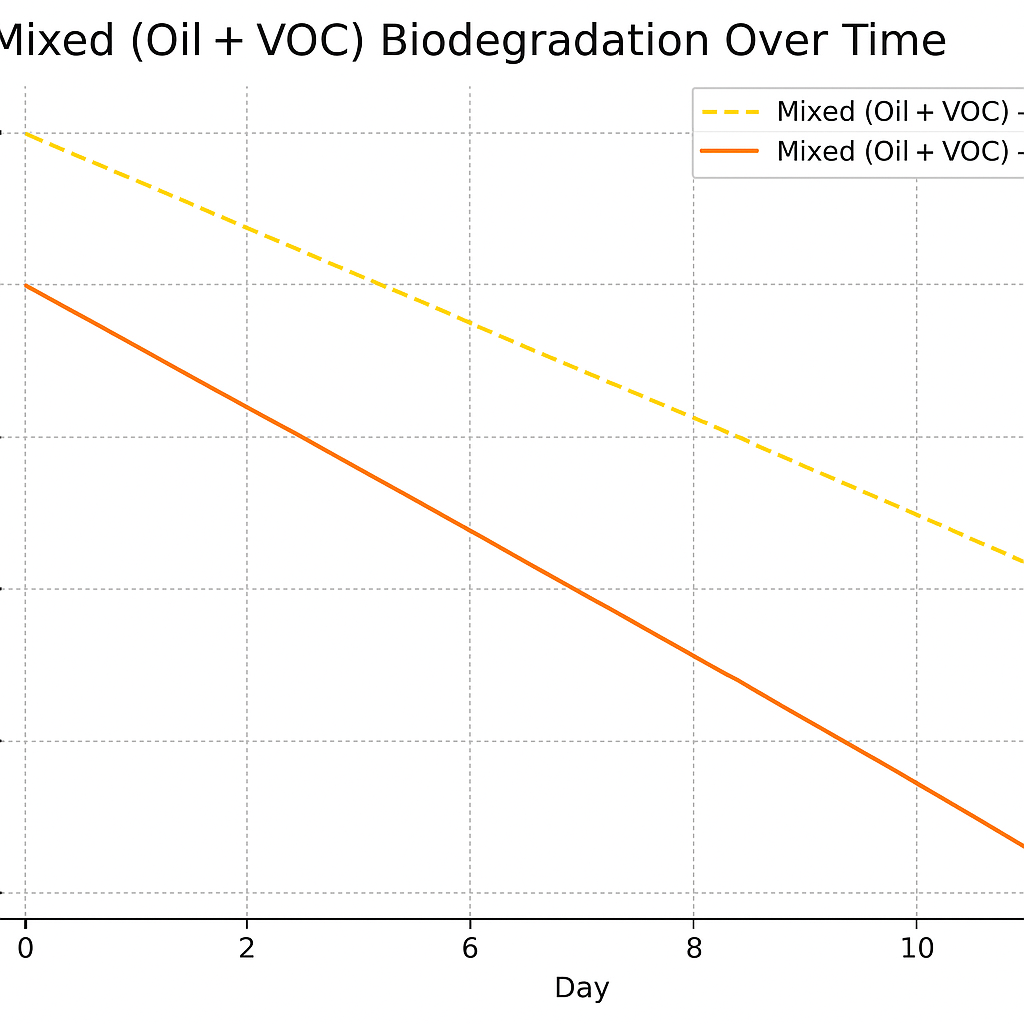
Mixed (Oil+VOC) — 60 cm, 2.2 L/min, 14 h → 80.3%

Global Pilot Benchmarking (Comparison)

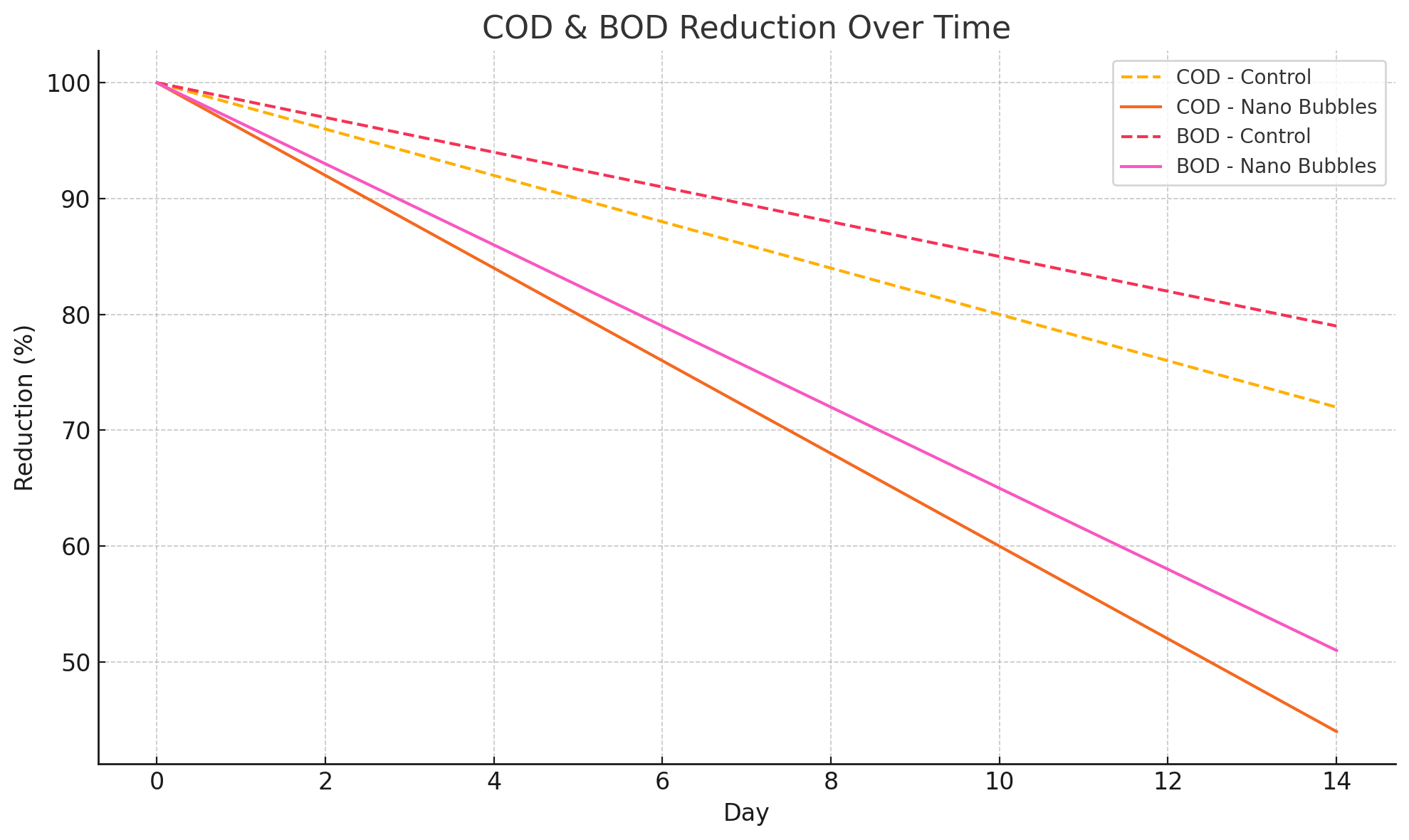
Our tri-phasic nano-catalytic platform shows faster pollutant reduction and stronger bio-activation than control conditions. Below are lab time-series (lower = better) and a compact comparison with widely used pilot methods.

Canada (BioVent, passive aeration): ~50% (slow, low control)

Germany (Fentox, Fenton+surfactants): 60–70% (toxic residuals, multistage)

UAE (Nano‑O₂, nanobubble+ozone): ~78% (high cost at depth)

This Platform (Tri‑phasic catalytic): 85–90%, modular & site‑adaptive.

Services

Key Charts (Lab Time-Series)

All curves are plotted as % remaining of initial level (lower is better).

Heavy Hydrocarbon

Biodegradation efficiency of heavy hydrocarbons at shallow injection depth (30 cm, 1.0 L/min, 12 h). Results show ~58% degradation under tri-phasic nanocatalytic treatment.

Light Oil

Enhanced removal of light oil pollutants at 50 cm depth with higher flow (2.0 L/min). Achieved ~73% biodegradation within only 8 h.

Phenol / PAH

Catalytic nanofluid achieved ~65% degradation of phenolic and polyaromatic hydrocarbons at 40 cm depth (1.5 L/min, 10 h).

Mixed (Oil + VOC)

Tri-phasic nanocatalytic injection achieved the highest performance in mixed contamination (oil + VOCs). At 60 cm depth, 2.2 L/min flow, and 14 h reaction, ~80% biodegradation was recorded.
software

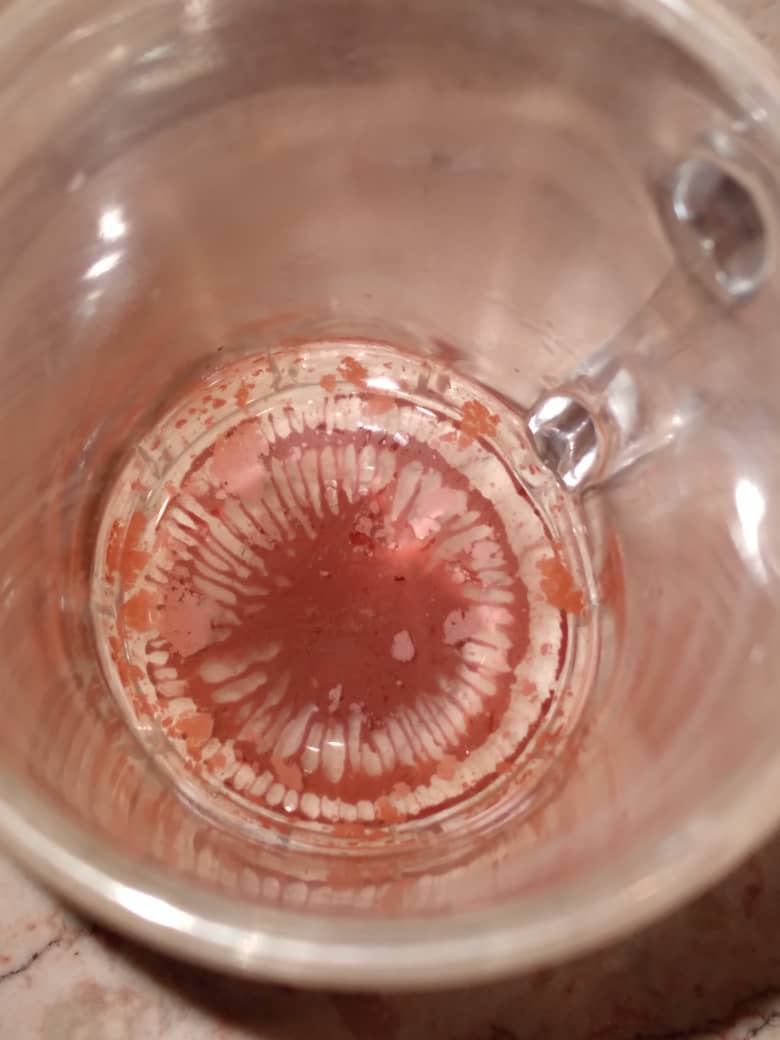
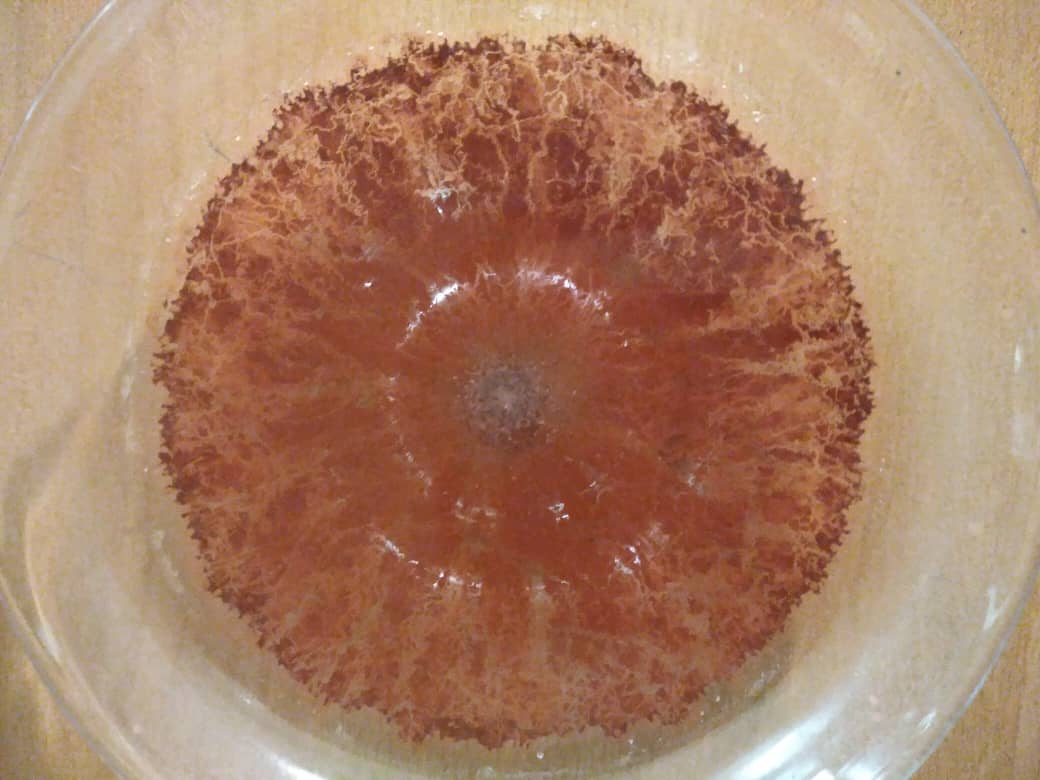
Nature’s Painting — Self-Assembled Catalytic Patterns

Fe³⁺ + H₂O₂ with O₂/O₃ nanobubbles generate ROS (Fenton-like). As bubbles collapse, micro-currents drive particles into radial/dendritic self-assemblies (FeOOH, γ-Fe₂O₃, Fe₃O₄). These structures are both evidence of efficient oxidation and a visual fingerprint of the reaction. Applications: structured catalysts/filters, corrosion-resistant coatings, sensors; also a public-facing branding asset for eco-restoration storytelling. Add a short “Safety” note (ventilation/PPE; optimize ozone 5–10%).

Read More

Experimental Validation of Nano-Oxygen Diffusion

The video shows the controlled injection of oxygen nanobubbles into a soil matrix. As the bubbles migrate downward, their diffusion front gradually penetrates the medium, reducing pollutant density and stimulating oxidative reactions. The measured displacement (≈7 mm) and force (~10⁻⁶ N) confirm both the mobility of nanobubbles and their ability to accelerate in-situ degradation processes.

Modular Phased Strategy (3 Steps)

Phase I — Superficial Bio‑Oxygenative Activation – O₂ nanobubbles stimulate aerobic microbes and start oxidative biodegradation.

Phase II — Catalysis‑Driven Subsurface Penetration – Reactive nanogases + engineered catalysts target SVOCs/asphaltenes via enhanced electron transfer.

Phase III — Energy‑Coupled Molecular Disintegration – UV, magnetic induction, pulsed electric fields, acoustic cavitation—lower activation energy and complete breakdown.

Field‑Adaptive, Tunable Architecture

Concurrent gas–liquid–solid catalysis, amplified by optional external energy fields (UV, electromagnetic, electrochemical). Tunable gas mix, catalyst dispersion, phase‑ratios, and injection dynamics—optimized for soil texture, porosity, moisture, speciation, depth.

    Bring Your Site Data—We’ll Run a Rapid Feasibility

    Share soil logs, contaminant speciation, and target timelines; we’ll propose a phased deployment plan aligned with HSE/ISO.

    Book a Technical CallSend RFQ
    Flow Library CTA Asset 2Flow Library CTA Asset 3Flow Library CTA Asset 2